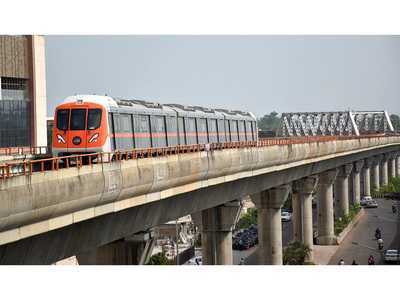
New Delhi [India], December 28 (ANI): India's Regional Rapid Transit System (RRTS) is emerging as a critical driver of urban mobility transformation and corridor-led real estate growth, according to a new report by Knight Frank India.
Titled "Regional Rapid Transit System: Testing the Commuters' Pulse," the study highlights strong commuter satisfaction, rising investor confidence, and growing willingness among homebuyers to consider properties along RRTS corridors.
The report reveals that nearly 66 per cent of respondents surveyed are keen to purchase property in areas served by the RRTS, underscoring the system's potential to reshape residential and commercial demand patterns.
Around 80 per cent of existing RRTS users associate improved connectivity with enhanced economic opportunities in their regions, reflecting the broader impact of high-speed regional transit on employment access and productivity.
According to Knight Frank, visible infrastructure development significantly boosts confidence, with respondents being over twice as likely to perceive economic growth where RRTS-led upgrades are evident.
The presence of commercial activity, such as offices, retail hubs, and business districts, further amplifies investment sentiment, increasing the likelihood of property investment by more than 10-fold.
Similarly, active real estate development along the corridor increases the probability of investment by nearly eightfold, demonstrating that connectivity alone is insufficient--tangible on-the-ground development is equally critical.
The flagship Delhi-Ghaziabad-Meerut RRTS corridor, being developed by the National Capital Region Transport Corporation (NCRTC), illustrates this potential.
Spanning 82 km and backed by an investment exceeding Rs 30,000 crore, the corridor aims to reduce travel time between Delhi and Meerut to under an hour.
Portions of the corridor have already commenced operations, with further phases under development.
Commuter feedback remains broadly positive, with over 80 per cent of users expressing satisfaction with the service.
While some users reported higher commuting costs, time savings, safety, comfort, and productivity gains outweighed concerns about fares. However, the report flags last-mile connectivity and integration with other transport modes as key challenges that must be addressed to ensure sustained ridership growth.
With over 90 per cent awareness among aspirational users and strong intent to adopt the system once connectivity gaps are resolved, Knight Frank concluded that RRTS is well-positioned to catalyse decentralised urban growth.
For policymakers, developers and investors alike, the success of RRTS corridors will hinge on coordinated planning that aligns transport infrastructure with land use, social infrastructure and commercial development. (ANI)
Contact to : xlf550402@gmail.com
Copyright © boyuanhulian 2020 - 2023. All Right Reserved.