Highlights
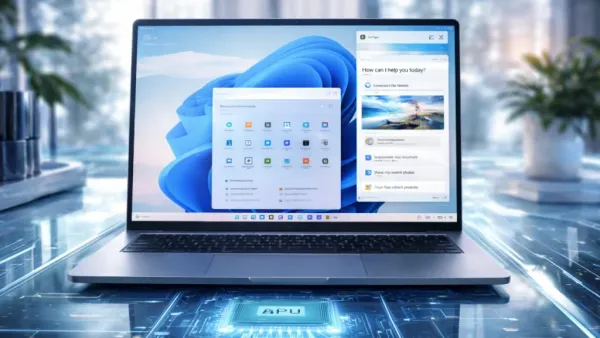
- Windows 12 AI-first operating system design, deeply integrating Copilot and local AI processing for faster, smarter everyday computing.
- Windows 12 is optimized for AI PCs with NPUs, Intel, AMD, and Qualcomm processors, while older hardware may have limited feature support.
- Windows 12 focuses on smarter search, improved multitasking, better battery life, and enhanced security with on-device AI protection.
The topic of Windows has recently been an extremely popular conversation piece for a lot of people as they anticipate the potential upcoming release of Windows 12. To date, there has been no official announcement by Microsoft on the availability of Windows 12.
However, there is sufficient evidence on the web from pretty credible sources, insider leaks, and development cycles within hardware that leads most to believe that, at this time, Microsoft is definitely working on a brand-new version of Windows. There are several other priorities besides just performance optimization and design layouts, etc. Everything points to one major shift: AI becoming the heart of Windows.
From how we search for files to how our PCs manage power, Windows 12 could quietly change the way people use computers every day.
Why Windows 12 Is Getting So Much Attention
The talk about Windows 12 did not start with a single leak. It started when Microsoft executives began speaking openly about “AI PC” and the “next generation of Windows.” Around the same time, chip makers like Intel, AMD, and Qualcomm began promoting processors explicitly designed for AI tasks.
Windows 11 was a step forward. Windows 12 looks like a bigger jump. Many insiders believe Microsoft is preparing Windows for a future where AI is not a feature but a default behavior of the system.
Windows 12 May Be an AI-First Operating System
Copilot Could Become Part of the System
Windows 11 introduced Copilot as a side panel. In Windows 12, Copilot may move much deeper into the system. Instead of opening a separate tool, users may interact with Windows using simple language.
For example:
- Asking the system to find files without remembering names
- Changing settings by typing what you want
- Getting quick summaries of documents or emails
This would make Windows feel more responsive without changing how users typically work.
More AI Work Done on the Device
Another major change expected in Windows 12 is local AI processing. Right now, many AI features depend on cloud servers. That can be slow and raises privacy concerns.
Windows 12 may rely more on dedicated AI chips (NPUs), AI-ready CPUs, and Local processing instead of cloud calls.
This could mean faster results and better privacy, even when the internet is slow or unavailable.
Expected Windows 12 Features
More intelligent Search and File Management
Windows Search has improved, but it still feels limited. With Windows 12, search may work more like a conversation.
Users may be able to search using natural phrases like “Photos from last year,” “Files edited yesterday,” and “Work documents to travel.” The system would understand meaning, not just keywords.
AI-Based Multitasking Improvements
Multitasking is a strong point of Windows. AI could make it smoother. Possible improvements include better window snapping based on usage habits, apps getting system resources when needed, and faster switching between frequently used programs. These changes may happen quietly in the background.
Better Battery Life on Laptops
Another way AI can assist with battery management is through Windows 12. Windows 12 may use knowledge of user habits to infer when to use less power automatically. This would particularly assist laptop manufacturers in improving thin laptops and ARM-based devices.
Design Changes: Subtle but Practical
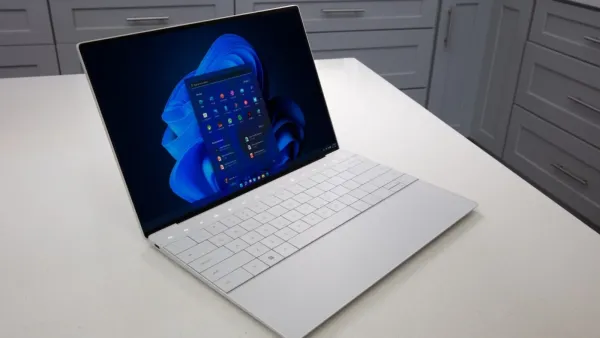
Leaks suggest Windows 12 will not bring a drastic redesign. Instead, Microsoft may focus on cleaner layouts, flexible taskbars, and adaptive widgets. The goal appears to be keeping Windows familiar while making it more adaptable to different screen sizes and devices.
Hardware Requirements for Windows 12
AI PCs Will Matter More
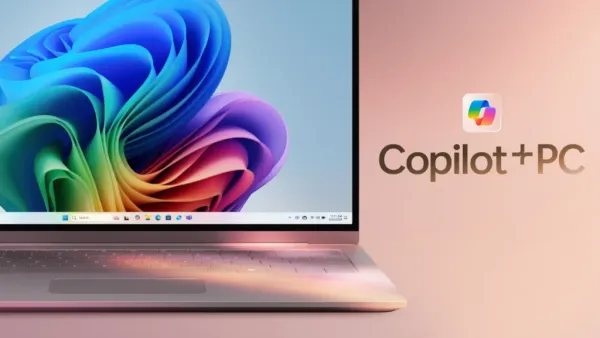
Windows 12 is expected to work best on new AI-ready PCs. These systems usually come with newer processors that are designed to handle AI tasks directly on the device. This includes Intel Core Ultra processors, AMD Ryzen AI chips, and Qualcomm Snapdragon X series platforms, all of which are built. These chips are designed to handle AI tasks directly on the device.
Support for Older PCs May Be Limited
There is currently no information available from Microsoft on the minimum hardware requirements for Windows 12. However, if we look at Microsoft’s history, they will likely expand upon the same type of theories for Windows 12 as they did with Windows 11.
For example, like with Windows 11, Windows 12 will probably require processors to be from the Most Recent Processor Family, which home computers generally use, plus the necessary hardware and software to support modern security protocols (TPM chips) and restrict access to advanced AI features for older hardware not meeting the requisite specs. Some older systems may run Windows 12, but without full functionality.
Windows 12 and ARM-Based PCs
Windows on ARM has improved slowly over the years. Windows 12 represents a significant opportunity to establish ARM laptops as a viable computing alternative finally. It is anticipated that ARM computers will deliver genuine benefits over traditional x86 platforms due to their computational architecture.
ARM products are designed to deliver extended battery life, maintain a persistent Internet connection, and offer the most advanced AI capabilities, which align perfectly with how people use Windows today and in the future. Microsoft is clearly investing heavily in this area.
Security and Privacy in Windows 12
Smarter Threat Detection
AI can also help with security. Windows 12 may use behavior-based protection to detect threats before damage occurs. Instead of only scanning files, the system could watch how apps behave in real time.
Privacy Will Still Be a Key Topic
Data is essential to AI, raising questions about the future of this technology. Microsoft will focus heavily on ensuring that its AI features remain responsible and easy for users to navigate. Microsoft will primarily target information processing on the user’s device rather than utilising cloud computing, provide straightforward privacy controls for users, and promote transparency about how the company handles user permissions and access to their data in the AI system. How well this balance works will matter to users.
Schedule for Windows 12
As of now, Microsoft has not said when it will release Windows 12. But based on data leaks and the company’s hardware roadmap, we can make educated guesses about when it may become available to users. Early testing of Windows 12 might begin in late 2024, and Microsoft may put it into general release in 2025.
Windows 12 will most likely be made available along with new generations of “AI Ready” PCs that have been optimally designed to work with the latest version of Windows. This proposed release schedule aligns with Microsoft’s larger vision of AI proliferation in the marketplace.
Will Windows 12 Be Free?
There is no clear answer yet. Microsoft may choose a flexible approach for Windows 12 pricing. The company could offer a free upgrade for devices that meet the system requirements, while keeping some advanced AI features tied to paid subscriptions or additional services. A mixed model is possible, especially with AI services involved.
What Windows 12 Means for Everyday Users
Most users won’t notice drastic changes on the very day of Windows 12’s launch. For many daily users, the improvements won’t seem so stark right away but will become clear with repeated use.
For example, to do things faster, lower the amount of time spent doing things manually, and evolve into a better way of using a computer, smart automated processes that help improve and enhance how users use their computers will be the focus of AI tools. Windows 12 will particularly benefit power users, creators, and any other professional users.
Should I wait to buy a Windows 12 laptop/desktop?
If you already own a Windows 11 computer, there isn’t really any urgency to get a new computer. Buying an AI-ready computer may give you additional functionality from Windows 12 when it becomes available in 2025.
Final Thoughts
Overall, Windows 12 doesn’t just feel like a new version of Windows but will represent a complete transformation/departure from older Windows versions as an AI-based operating system that records and uses all the data on how users interact with their computers.
It appears that Microsoft intends to move away from being just a software company and create a Windows that can serve as a faithful assistant for users while remaining entirely in the background.
If the leaks prove true, it would represent one of the most significant changes to Microsoft’s operating system in many years, if not since the release of Windows XP.
Contact to : xlf550402@gmail.com
Copyright © boyuanhulian 2020 - 2023. All Right Reserved.