
Parenting is quite a wild ride, isn’t it? It’s probably the most rewarding thing a person can do, but it’s also seriously confusing. And honestly, in the age of endless notifications and advice from every corner of the internet, raising kids just keeps getting trickier. There’s this constant flood of opinions — stuff your parents told you, tips from random people online, and traditions that have stuck around for generations.
The parenting advice that was once considered "the way to raise kids" is no longer effective today; in fact, many of these outdated philosophies are actually doing more harm than good in terms of child development . As such, perhaps it is time to put to rest several of the erroneous beliefs surrounding parenting and consider some of the newer, proven methods supported by scientific evidence, empathy toward children and their needs, as well as common sense.
As we move into 2026, let's explore a few of those misguided beliefs surrounding parenting in order to leave them behind.
Good parenting means perfect behavior and predictable success
People love to say that if your kid’s polite, never gets in trouble, and brings home straight A’s, you must have this whole parenting thing figured out. But, you know, kids aren’t some kind of perfect project you can just fine-tune. They’ve got their own personalities, their own quirks. Sure, what you do as a parent matters, but so do their genes, their friends, and just how they’re wired from the start.
Trying to control every little thing just sets you up to feel like you’re failing. Your kid has a meltdown in the cereal aisle, or they start slipping at school, and suddenly you’re questioning everything. But honestly, kids need room to screw up, get frustrated, fall down, and try again — with you on the sidelines, rooting for them, not hovering over every move.
You spoil babies by holding them too much
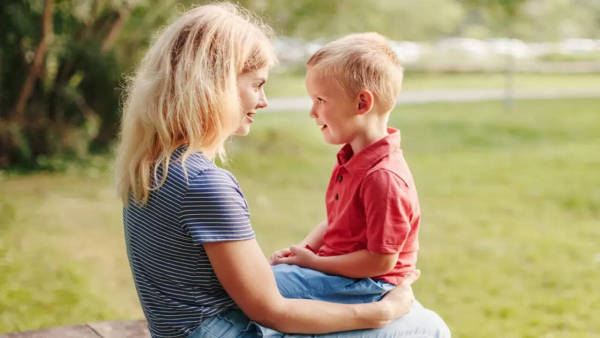
This one never seems to go away, especially for new parents. The idea is that picking up your baby or comforting them when they cry will turn them into clingy little monsters. But science says the opposite. When you respond to your baby’s cries and give them comfort, you’re actually helping their brains and emotions develop. They learn the world’s a safe place, and that’s what sets them up to be independent later on.
So no, you’re not spoiling your baby by holding them. You’re building trust and security — something every kid needs.
Academic success defines a child’s future
For years, people believed good grades were the magic key to a great life. But honestly, times have changed. Employers now look for creativity, problem-solving, and emotional intelligence just as much as they care about test scores. Sure, doing well in school matters, but that’s not the whole picture.
If you only worry about grades, you miss the chance to teach your kid how to handle failure, work with others, or bounce back when things go south. A more balanced approach — one that encourages curiosity and real-world skills — gets kids ready for whatever’s next a whole lot better.
Shielding kids from every risk keeps them safe
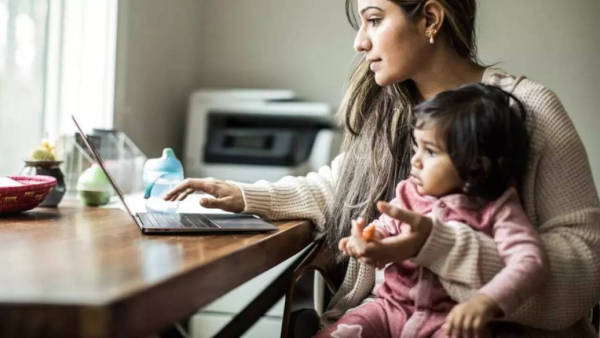
Worrying about your kids is just part of being a parent. It’s tempting to bubble-wrap them so nothing bad ever happens. But if you jump in to protect them every time something goes wrong, you’re not really helping. Kids have to trip up and tackle problems on their own if they’re going to get tougher and more confident. Let them take a few small risks while you’re there to catch them if they really need it. That’s how they learn to handle bigger challenges later. You’re not tossing them into the wild — just giving them space to figure things out for themselves.
Screen time is always harmful
And then there’s screen time. For ages, people blamed screens for every bad thing kids did — bad grades, no friends, lazy afternoons. But it’s not that black and white. Watching silly videos for hours isn’t great, but tech can be pretty amazing when kids are learning, creating, or even just hanging out with you in front of a favorite show. It’s about balance. Stay in the mix, put some limits in place, and don’t let screens take over all the best stuff like playing outside, reading, or goofing off together. Screens aren’t the villain here — they’re just one piece of the puzzle.
Contact to : xlf550402@gmail.com
Copyright © boyuanhulian 2020 - 2023. All Right Reserved.