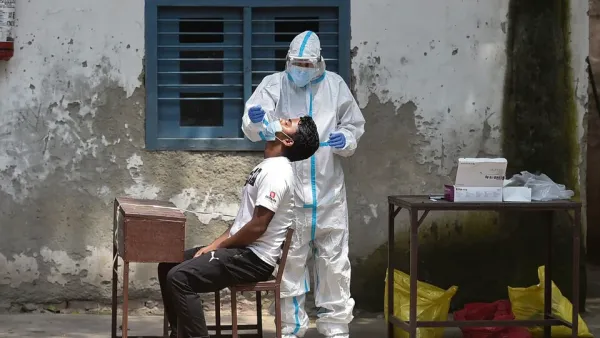
WHO clears two COVID-19 Rapid Antigen Tests for long-term global use – What it means
The World Health Organization (WHO) said on December 24, 2025, that it has prequalified two rapid antigen diagnostic tests (Ag-RDTs) for SARS-CoV-2, the virus that causes COVID-19.
According to WHO, the two tests are the SD Biosensor STANDARD Q COVID-19 Ag Test and the ACON Biotech Flowflex SARS-CoV-2 Antigen Rapid Test (Self-Testing).
WHO stated that this is the first time any rapid antigen tests for COVID-19 have achieved WHO prequalification, marking a significant regulatory milestone nearly three years after the end of the pandemic's emergency phase.
Why is WHO prequalification significant?
WHO said prequalification provides long-term assurance of quality, safety and performance, unlike emergency authorisations that are time-limited. According to WHO, prequalification allows United Nations agencies, global health partners and national governments to procure these tests with confidence, especially in low- and middle-income countries (LMICs).
WHO noted that prequalified tests can also be included in pooled procurement mechanisms, helping lower prices, stabilize supply chains and reduce regulatory barriers that often limit access to diagnostics in poorer countries.
How does this build on earlier approvals?
WHO explained that both tests were previously cleared under its Emergency Use Listing (EUL) mechanism. In September 2020, WHO said the SD Biosensor STANDARD Q test became the first rapid antigen test ever listed under the EUL, enabling rapid rollout in more than 100 countries during the height of the COVID-19 pandemic.
According to WHO, the EUL process is a risk-benefit assessment designed for public health emergencies, allowing faster access to life-saving tools when full regulatory data may not yet be available.
Why does WHO say rapid antigen tests still matter?
WHO stated that although the emergency phase of COVID-19 ended about two and a half years ago, SARS-CoV-2 continues to circulate globally. Current evidence, WHO said, shows relatively stable trends, but the need for affordable and accurate diagnostics remains strong.
WHO emphasized that this need is especially urgent in lower-income countries, where access to laboratory-based PCR testing is limited or uneven.
What role do rapid antigen tests play?
According to WHO, rapid antigen tests deliver results in 15 to 30 minutes, are cost-effective, and can be used outside centralized laboratories. WHO said they can be deployed in clinics, community settings and mobile units, making them critical for timely detection of infectious cases.
WHO stressed that Ag-RDTs are a vital complement to PCR tests, particularly in settings with limited laboratory infrastructure.
When does WHO say rapid testing is essential?
WHO stated that rapid antigen testing remains crucial for:
Detecting and controlling local outbreaks
Protecting vulnerable populations and healthcare workers
Maintaining preparedness for future respiratory pandemics
According to WHO, decentralized and quality-assured diagnostics are a core part of universal health coverage and global health security strategies.
What is WHO prequalification and the EUL?
WHO explained that its Prequalification programme has long supported access to quality health products in LMICs by independently assessing their quality, safety and effectiveness. WHO said the programme enables international agencies to procure reliable medicines, vaccines and diagnostics, while also supporting national regulators with limited resources.
Through the Emergency Use Listing (EUL), WHO conducts risk-based evaluations during public health emergencies of international concern to meet urgent health needs.
Contact to : xlf550402@gmail.com
Copyright © boyuanhulian 2020 - 2023. All Right Reserved.