5 Sacred Vishnu Temples People Visit to End Pain and Start Fresh
There are moments in life when pain is no longer loud. It has already finished shouting. What remains is something heavier - a quiet exhaustion, the kind that settles into the body and refuses to leave. You are not broken, but you are tired of carrying what you never chose. Faith, at such times, does not arrive as belief. It arrives as gravity, pulling you toward something older than your story, something that does not need you to explain yourself. People do not come to Vishnu temples to ask for miracles. They come when they are done arguing with life. When resistance has softened into surrender - not the defeated kind, but the wise kind. Vishnu is not the god of upheaval. He is the god of continuation. Of staying. Of preserving what still deserves to live inside you after everything else has burned away. These temples are not places to escape pain. They are places where pain is finally allowed to finish its work.
Tirupati Balaji
Some pains survive because we keep feeding them our pride. At Tirupati, the first offering people make is not wealth, not words, it is the self-image they have protected for years. When hair falls on that cold stone floor, something subtler follows it: the illusion that suffering made you special, chosen, uniquely cursed. Balaji does not comfort. He strips. People walk the uphill path not to prove devotion, but to exhaust the part of themselves that still believes struggle is punishment. The long queues are not inconvenience, they are initiation.
Waiting here teaches you what pain never could: that entitlement is heavier than grief. Eat the simple laddu prasad slowly. Walk barefoot around the temple corridors at dawn. Let the body feel small again. When the ego loosens, pain finally loses its anchor. This is not rebirth. This is unburdening.
Srirangam
There are hurts that come not from loss, but from waiting. Years pass. Answers do not arrive. Srirangam exists for those who are tired of asking when. The Ranganatha temple is not rushed. Its seven enclosures move inward like the layers of a mind that has thought too much. Here, Vishnu reclines, not asleep, not alert - teaching the hardest wisdom of all: stillness is not abandonment.
Sit by the Cauvery at dusk. Watch how water moves forward without urgency. Eat the temple’s plain rice offerings. Walk the inner prakarams without headphones, without conversation. Let your nervous system relearn patience. Some pains are not healed by action. They are healed by being held long enough that they dissolve on their own.
Badrinath

Certain sufferings stay because you keep believing you can outthink them. Badrinath humbles the intellect before it touches the soul. The cold air is sharp, the climb unforgiving. The body protests and in that protest, something ancient wakes up. Vishnu here is not ornamental. He is elemental. You do not come to be fixed. You come to be aligned.
Take a dip in Tapt Kund even if fear grips you. Eat the hot khichdi offered inside the temple. Walk alone near the Alaknanda river. Let the mountains teach you what pain tried to say but failed: you were never meant to carry everything alone. When you leave Badrinath, the pain does not vanish. But it no longer defines the horizon.
Jagannath Puri
Jagannath is unfinished. The idols are imperfect, asymmetrical, raw. And that is precisely the point. People who come to Puri are often carrying something unresolved - loss without closure, love without answers, faith that survived disappointment but not explanation. The Mahaprasad here is cooked in earthen pots stacked impossibly atop one another. Logic fails. The food feeds thousands. So does grace.
Walk barefoot on the beach at dawn. The ocean does not comfort, it reminds. That everything taken will be returned, reshaped, reoffered. Witness the Rath Yatra if you can, not as spectacle, but as philosophy in motion: God himself steps down to meet those who cannot reach him. Jagannath heals by saying: you do not need to be complete to be sacred.
Padmanabhaswamy
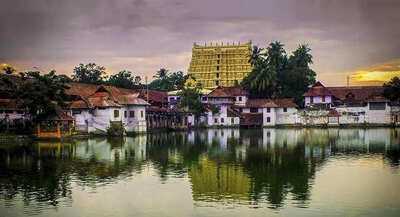
In Thiruvananthapuram, Vishnu rests on Ananta, the endless serpent, symbol of time without beginning or end. This temple attracts those who are tired of managing everything: emotions, outcomes, appearances. The closed vaults are not mysteries to be solved. They are reminders that some knowledge is withheld for mercy.
Eat the temple’s simple offerings. Walk slowly through the city streets afterward. Let your pace soften. This is a place for those who have learned the cost of constant vigilance. Padmanabhaswamy heals by allowing you to stop guarding the future. It whispers: you do not have to supervise grace.
Pain Was the Entrance Fee
These temples do not erase pain. They reposition it. They teach that hardship is not an interruption of destiny, it is the initiation. That what felt like abandonment was often preparation. That the darkest nights were not punishments but calibrations. Vishnu does not promise relief. He promises continuity. And sometimes, that is the bravest promise of all. When people leave these temples, nothing dramatic changes. But something essential does: they stop asking why it happened and start understanding why they survived. And that understanding becomes the beginning.
Tirupati Balaji
Ego dissolves; pain releases when identity is finally surrendered.
Some pains survive because we keep feeding them our pride. At Tirupati, the first offering people make is not wealth, not words, it is the self-image they have protected for years. When hair falls on that cold stone floor, something subtler follows it: the illusion that suffering made you special, chosen, uniquely cursed. Balaji does not comfort. He strips. People walk the uphill path not to prove devotion, but to exhaust the part of themselves that still believes struggle is punishment. The long queues are not inconvenience, they are initiation.
Waiting here teaches you what pain never could: that entitlement is heavier than grief. Eat the simple laddu prasad slowly. Walk barefoot around the temple corridors at dawn. Let the body feel small again. When the ego loosens, pain finally loses its anchor. This is not rebirth. This is unburdening.
Srirangam
There are hurts that come not from loss, but from waiting. Years pass. Answers do not arrive. Srirangam exists for those who are tired of asking when. The Ranganatha temple is not rushed. Its seven enclosures move inward like the layers of a mind that has thought too much. Here, Vishnu reclines, not asleep, not alert - teaching the hardest wisdom of all: stillness is not abandonment.
Sit by the Cauvery at dusk. Watch how water moves forward without urgency. Eat the temple’s plain rice offerings. Walk the inner prakarams without headphones, without conversation. Let your nervous system relearn patience. Some pains are not healed by action. They are healed by being held long enough that they dissolve on their own.
Badrinath
Pain softens when intellect bows before elemental truth.
Certain sufferings stay because you keep believing you can outthink them. Badrinath humbles the intellect before it touches the soul. The cold air is sharp, the climb unforgiving. The body protests and in that protest, something ancient wakes up. Vishnu here is not ornamental. He is elemental. You do not come to be fixed. You come to be aligned.
Take a dip in Tapt Kund even if fear grips you. Eat the hot khichdi offered inside the temple. Walk alone near the Alaknanda river. Let the mountains teach you what pain tried to say but failed: you were never meant to carry everything alone. When you leave Badrinath, the pain does not vanish. But it no longer defines the horizon.
Jagannath Puri
Jagannath is unfinished. The idols are imperfect, asymmetrical, raw. And that is precisely the point. People who come to Puri are often carrying something unresolved - loss without closure, love without answers, faith that survived disappointment but not explanation. The Mahaprasad here is cooked in earthen pots stacked impossibly atop one another. Logic fails. The food feeds thousands. So does grace.
Walk barefoot on the beach at dawn. The ocean does not comfort, it reminds. That everything taken will be returned, reshaped, reoffered. Witness the Rath Yatra if you can, not as spectacle, but as philosophy in motion: God himself steps down to meet those who cannot reach him. Jagannath heals by saying: you do not need to be complete to be sacred.
Padmanabhaswamy
Healing begins when control loosens and trust replaces vigilance.
In Thiruvananthapuram, Vishnu rests on Ananta, the endless serpent, symbol of time without beginning or end. This temple attracts those who are tired of managing everything: emotions, outcomes, appearances. The closed vaults are not mysteries to be solved. They are reminders that some knowledge is withheld for mercy.
Eat the temple’s simple offerings. Walk slowly through the city streets afterward. Let your pace soften. This is a place for those who have learned the cost of constant vigilance. Padmanabhaswamy heals by allowing you to stop guarding the future. It whispers: you do not have to supervise grace.
Pain Was the Entrance Fee
These temples do not erase pain. They reposition it. They teach that hardship is not an interruption of destiny, it is the initiation. That what felt like abandonment was often preparation. That the darkest nights were not punishments but calibrations. Vishnu does not promise relief. He promises continuity. And sometimes, that is the bravest promise of all. When people leave these temples, nothing dramatic changes. But something essential does: they stop asking why it happened and start understanding why they survived. And that understanding becomes the beginning.
Contact to : xlf550402@gmail.com
Copyright © boyuanhulian 2020 - 2023. All Right Reserved.