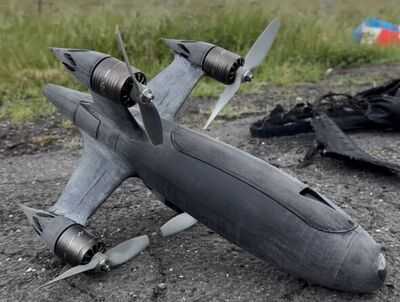
The world's fastest drone is quicker than any car and can reach astonishing speeds that exceed half the speed of sound. Ben Biggs, a 15-year drone pilot with a degree in aerospace engineering, Ben Biggs has recently landed a coveted Guinness World Record after building a drone capable of reaching staggering speeds of more than 388mph.
Outpacing even the fastest hypercars, including the Koenigsegg Jesko Absolut-which, according to luxury lifestyle magazine Robb Report, has a claimed top speed of 330mph-Ben's drone has achieved velocities exceeding half the speed of sound (approximately 767mph). Ben's mission began after he saw a YouTube video featuring a lightning-fast drone. He decided to create his own as "a bit of a fun project," aiming to surpass the original. The Australian told Supercar Blondie: "It started as a personal project, it was just a bit of a fun project. I saw that video, and it inspired me. I just thought it would be fun to try and beat it, and I think I've got the knowledge to do it."
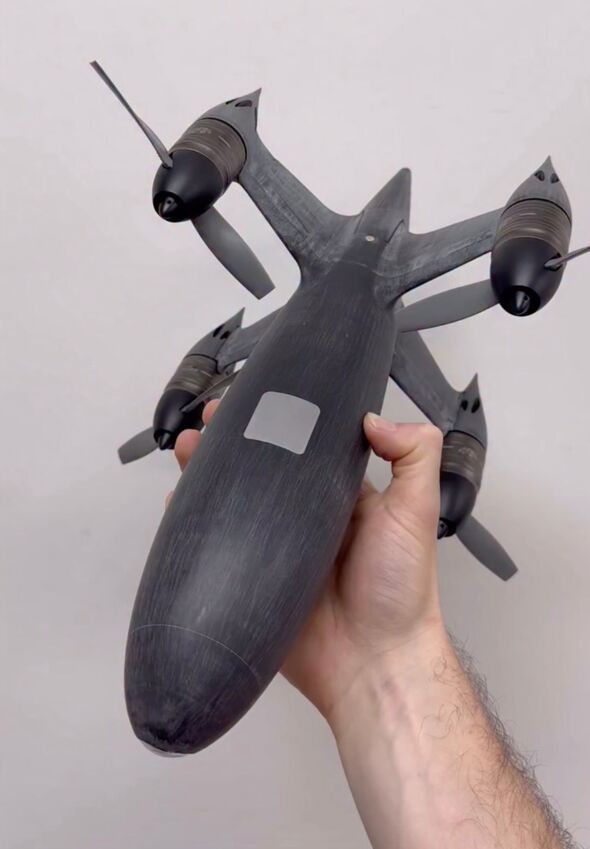
In his professional life, Ben builds drones for the drone photography firm XM2, working on notable films such as John Wick 4, and was able to use the company workspace for this record-breaking project as well.
A prototype was built over several months and achieved speeds of 280mph, prompting Ben to push the project further. The final drone ultimately took 18 months to complete, with Ben handling every aspect of the build himself.
The project began as a self-funded venture, but he later secured sponsorship from Drone Pro Hub. Speaking about how the marvel is powered, Ben highlighted what he found to be "one of the biggest challenges."
He said: "The peak power is about 16 kilowatts, and trying to squeeze that much power into such a small frame is one of the biggest challenges."
Looking at the specifications, the drone weighs roughly 4.4lbs, measures 15.7 inches long and 9.8 inches high, and, perhaps most remarkably, is reported to have about "ten times the power-to-weight ratio of an F1 car."
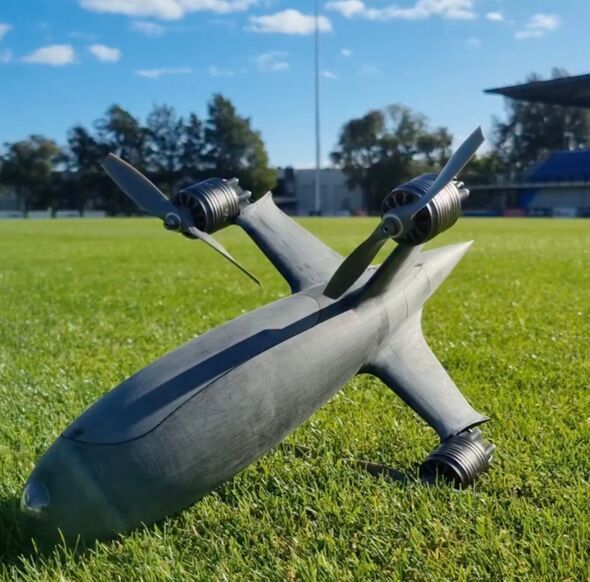
Ben, who broke the record on December 17, added: "The drone hit an official top speed of 626km/h (388mph), but I have got it up to 655km/h (406mph) flying downwind."
In other news, drones made headlines for a completely different reason on December 19, when it was reported that they had been used to collect whale breath to provide information about their health.
Scientists flew drones equipped with what the BBC described as "special kit" through the marine mammals' distinctive 'blows' when they surfaced, and in doing so, discovered a deadly virus.
Cetacean morbillivirus is reportedly highly contagious and can cause disease and "mass deaths." For Professor Terry Dawson of King's College London, this sampling method is a "game-changer."
He said: "It allows us to monitor pathogens in live whales without stress or harm, providing critical insights into diseases in rapidly changing Arctic ecosystems."
Contact to : xlf550402@gmail.com
Copyright © boyuanhulian 2020 - 2023. All Right Reserved.