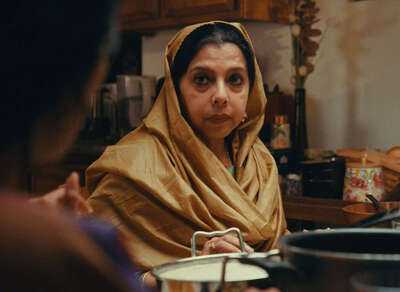
Mainak Dhar's short film, Nani, is making waves on the global stage, recently showcased at the Yellowstone International Film Festival 2025. Dhar's artistic journey began in the bustling film scene of Mumbai before he relocated to Los Angeles.
Themes of Memory and Identity
Nani delves into themes of memory, diaspora identity, and the bonds between generations, resonating with diverse audiences, including South-Asian and Latino communities in the United States. The film draws from Dhar's experiences observing immigrant life in California and reflects on the emotional legacy of his grandmother. He shares insights about the film's festival journey, its personal inspirations, and the changing landscape of independent cinema in India and beyond.
Mumbai: The Heart of My Journey
Mumbai holds a cherished place in my heart as the starting point of my filmmaking career. I spent several years working as an assistant director here before heading to Los Angeles, and those formative experiences greatly influenced my storytelling approach. I have many friends in the industry who are achieving remarkable things, making every return feel like a reconnection with my creative roots. My debut feature, 417 Miles, premiered at MAMI, marking Mumbai as a significant part of my career milestones. No other city can match the vibrant energy of Mumbai.
Festival Insights
The festival circuit has revealed that Nani strikes a chord with audiences from cultures where family serves as the emotional core. The film's focus on intergenerational relationships, particularly with grandmothers, resonates deeply with viewers from close-knit, tradition-oriented communities. Living in California, I've observed that, apart from Bengali audiences, Latino viewers have been among the film's most enthusiastic supporters. Some of my most memorable screenings have taken place in Texas and California, where Latino audiences reacted with laughter and emotion at the moments I had hoped would resonate.
The Birth of Nani
The idea for Nani emerged from a deeply personal experience. After my grandmother's passing in 2019, the subsequent lockdown led me to reflect on those who have influenced my life. This period of solitude allowed me to contemplate memory and family, paving the way for the film's concept. With ample time on my hands, I began writing the script. The production journey faced unexpected challenges, particularly during the 2023 Hollywood writers' strike, which provided me with a much-needed break to focus on pre-production. We ultimately filmed Nani in the summer of 2024.
Cultural Identity and Adaptation
For immigrants like myself, living away from home means constantly renegotiating cultural identity—deciding what to retain, what to adapt, and what to let go. These tensions are woven into the fabric of Nani. The film also reflects years of observing how South Asian families in the U.S. navigate intergenerational dynamics.
Location Challenges
One of the significant hurdles we encountered was finding suitable locations. We had three potential sites for Nani's family apartment, but each fell through due to various issues—availability, logistics, and budget constraints. Eventually, I decided to transform my own apartment into the film's setting, a significant pivot that proved to be the right choice. While I was telling the story of a family in Little Bangladesh in Los Angeles, my upbringing in India provided a broader understanding of South Asian sensibilities. To capture the specific details of a Muslim Bangladeshi household in the U.S., our producer, Humaira, was instrumental. She guided me on cultural nuances and collaborated closely with our talented production designer, Rohini, to create an authentic Bangladeshi home.
Directing with an Editing Background
My experience in editing, including projects like From Beyond Bars and Nick News, significantly influences my directing style. On set, I always think several steps ahead—considering how the scenes will cut together, what is essential for the narrative, and what can be omitted. Editing instills discipline, teaching you to discern between what is necessary and what is superfluous.
Empowering Future Filmmakers
Today, advancements like iPhones, AI, and social media have democratized filmmaking. I hope that the next generation of filmmakers remains in cities like Chandigarh, sharing the stories of their communities and showcasing the richness of their backgrounds.
Contact to : xlf550402@gmail.com
Copyright © boyuanhulian 2020 - 2023. All Right Reserved.