
Public actions against super flu may just be slowing the spread of infections in time for Christmas festivities.
Latest data published by NHS England shows the number of people in hospital with flu continues to rise and remains at a record level for this time of year, while the rate of growth has slowed. But dig a little deeper and the figures are even more encouraging. On average 3,140 flu patients were in hospital each day last week, up 18% from the previous week. This follows a 55% rise from average daily hospitalisations in the week before.
However when you look at the data for each of the last five days available up to December 14, the number of flu hospitalisations goes up and down. This could suggest infections may be starting to flatline.
• Super flu VERDICT from Britain’s top scientists - everything you need to know
• NHS last ditch effort to vaccinate children against flu to save Christmas
Last Wednesday there were 3,037 flu patients in general and acute hospital beds in England. This dropped to 2,961 on Thursday, increased to 3,215 on Friday, dropped again to 3,028 on Saturday and to 2,932 on Sunday. And the number of flu patients in intensive care beds showed a similar pattern.
The NHS generally uses daily averages over the course of a week because there can be some volatility in the data. However the latest figures available shows the steep increase in flu seems to have been halted at least for the time being.
And when you break the numbers down by region there is more encouraging news. The North West of England actually saw a 4% fall in average daily flu hospitalisations last week.
The NHS England press release states “this slowing is thought to be due to higher vaccination rates and the public taking additional steps to protect elderly and vulnerable people”. Following over a decade of falling vaccination uptake outside of the pandemic, this year 306,000 more people have had a flu jab than at the same point in 2024.
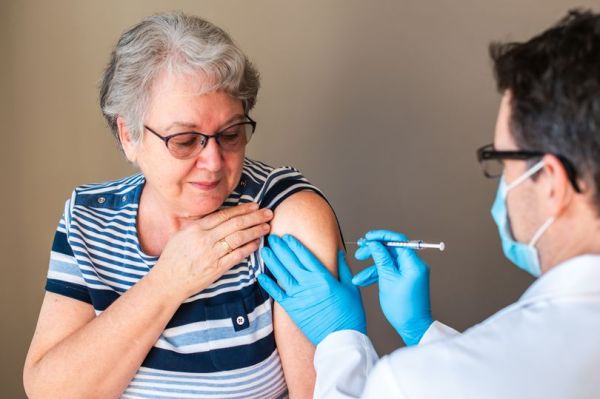
So it does appear that our actions in getting vaccinated, washing hands regularly and staying home when unwell could be bearing fruit. Britain may have learnt a thing or two after enduring the nightmare that was the Covid-19 pandemic.
I attended a media briefing this week where some of the UK’s top flu experts said they are now unsure whether we are really facing the worst ever flu season on record. The Mirror reported that the UK’s pandemic heroes who found the first drug known to work against Covid-19 are now repurposing their UK clinical trial to find the first drug shown to save lives in people seriously ill with flu.
The number of patients in hospital with flu is still at its highest level at this time of year since records began - but they only date back to 2021. Weekly flu numbers in England peaked at 5,408 patients last winter and reached 5,441 over the winter of 2022/23, the highest level since the pandemic.
However infection data from the flu season in Australia - which usually predicts the severity of ours - shows they had their highest infection rates for over a decade during their winter.
Experts say the difference between this flu season and the previous three years is that the virus started spreading around a month earlier in October. They initially thought this may be due to the fact that vaccines did not work as well against the new H3N2 strain. However in the last month vaccination effectiveness data has shown this is not the case.
Infectious disease experts now suspect it could be down to a familiar story of waning natural immunity to the new strain as a result of the Covid-19 pandemic, when flu was almost nonexistent because we were all stuck at home. Either way the trajectory of the flu season is now unclear.
A worst case scenario would see a “double peak” with infections seeing a further rise after children return to classroom mixing after the Christmas holidays. Any such prolonged peak will increase the number of very young and old people who get seriously ill and die with the virus.
But if herd immunity starts to build up we could just see an early peak followed by a steady drop off in infections.
Dr Leon Peto, who is leading the national trial to find the first drugs proven to work against severe flu, says he is unsure whether this flu season will be worse than others in the last decade. He said: “Nobody really knows when the peak will be until after we’ve passed it. We may be nearing the peak now or it may be that there is a bigger peak than there has been in recent years.”
However what is not in doubt is that the NHS is still under extreme pressure with 128 seriously ill flu patients in critical care beds in England last week, up from 106 the previous week.
Seasonal winter infections are typically high with an average of 427 hospital beds also filled each day last week by patients with diarrhoea and vomiting or norovirus-like symptoms, up 21% from 354 the previous week.
Caroline Abrahams, director at Age Uk said: "We can all hope that this new number means the surge in flu numbers is starting to abate, but one swallow does not make a summer and the best advice to our older population continues to be to get vaccinated if you haven't already, and to take care of yourself, especially if you have to be out and about this week.”
Contact to : xlf550402@gmail.com
Copyright © boyuanhulian 2020 - 2023. All Right Reserved.