
People are being urged to leave bowls of water dotted around their homes to reduce the risk of falling ill with covid, the flu or a cold. As it stands, the UK is facing a severe and early flu season, which health officials are calling an "unprecedented wave" or a "worst-case scenario" for this time of year.
A flu strain known as H3N2 (specifically subclade K) has become the dominant variant across the country and is causing more people to become ill, as its presence has been minimal over the last few years, until now. It has been reported that H3N2 also spreads more easily than normal, and it has mutated more frequently than normal over the summer.
One reason H3N2 has become a worry is that it has a higher R number, which is the average number of people an infected person will infect, than usual. Data indicates that 20% more people are likely to get infected compared to a regular flu season.
- Emotional moment nurse who always works Christmas gets holiday surprise
- Sign we all saw at Easter tells us if it'll be a white Christmas
A number of hospital trusts have announced "critical incidents" because there are so many flu patients. This increase in patients is happening at the same time as a scheduled five-day strike by resident doctors that begins on December 17. The Health Secretary referred to this situation as a "double whammy" of stress.
Even with changes, the seasonal vaccine for 2025 remains 70-75% effective in preventing hospitalisation among children and 30-40% effective in adults. You can receive free vaccines if you're over 65, pregnant, or have a long-term health condition.

In the UK, flu season typically occurs during the winter months, between October and March, with activity often peaking between December and February. To help reduce the spread, health experts recommend washing your hands frequently, keeping indoor air fresh, and wearing face masks in crowded places if you feel unwell.
How bowls of water around the house may help
Many people close up their homes and turn up the heat during winter, but this can actually help germs spread more quickly inside. Flu viruses can live longer in dry and stuffy air.
When homes are too hot, it can dry out the inside of your nose and throat, which weakens your body's natural defences and makes it easier for you to catch infections. If your nose and throat get dry, you become much more open to catching every virus around, including this year's stronger flu strain.
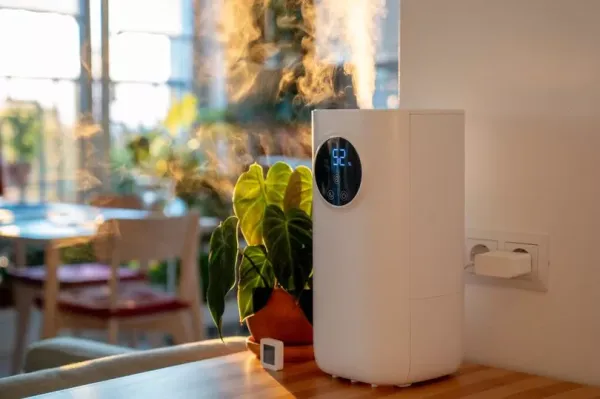
The optimal indoor humidity level is between 40% and 60%, any higher and it can promote mould growth. You can determine this with a cheap monitor called a hygrometer. Symptoms like dry skin, static shocks, or a scratchy throat can be signs that the air is too dry.
If the humidity is low, placing a bowl of water near a heater or radiator, using houseplants or humidifiers, or allowing some fresh air in can significantly help increase the humidity. It keeps your airways moist and helps prevent viruses from hanging around in the air.
Instead of a deep bowl, use a wide and shallow dish to help with evaporation. Ensure the container is placed safely to prevent spills, especially when using a hot radiator. Clean the bowls daily and, if possible, use distilled water, as this helps stop bacteria, mould, or mineral buildup from growing, which can lead to other health problems.
Contact to : xlf550402@gmail.com
Copyright © boyuanhulian 2020 - 2023. All Right Reserved.