Imagine being able to fill up your car at the gas station without feeling any guilt. Environmental consciousness and a deeper understanding of the impact the burning of fossil fuels has on our planet can cause more pain at the pump for some than high fuel prices. A small minority of drivers have switched to electric vehicles solely on these moral grounds, but EVs come with their own host of environmental issues, including a mining process for battery material that consumes a lot of energy and can destroy ecosystems.
According to the United States Environmental Protection Agency (EPA), transportation is the single largest contributor to greenhouse gas emissions in the U.S., accounting for about 28% of the total. The EPA has addressed this problem by enacting emissions standards for cars and trucks and investing in renewable fuel options, such as plants. But the fact remains that there are almost 300 million registered vehicles in the country, with the majority of them belching out carbon dioxide into the air. We need our cars to get to work and school to maintain our daily lives, but what if there was a better way?
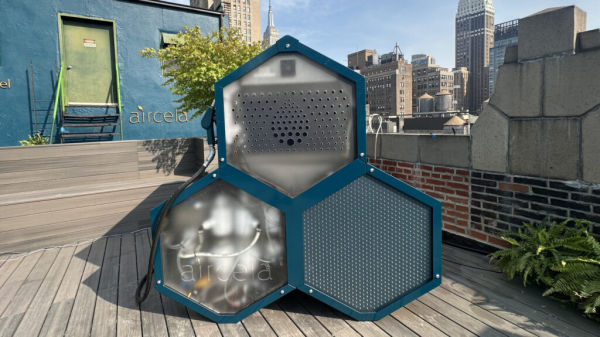
A New York-based company called Aircela is working to make fossil-free gasoline that would be suitable for everyday cars. The startup already has a working machine that can turn carbon dioxide taken from the air into gasoline. One day, you could be able to do it in your own driveway.
How Aircela works
Generating gasoline from thin air may sound like a pipe dream, but Aircela maintains that it has built a working machine, not just a prototype. Here’s how it works in simple terms: The machine, which is 6 feet tall and 3 feet wide, uses a water-based solution that also contains potassium hydroxide to capture CO2 from the air. The machine then splits water into its two compounds: hydrogen and oxygen. It releases the oxygen but uses the hydrogen along with that captured carbon dioxide to make methanol, which is then converted into a fossil-free gasoline. The fuel also does not contain any ethanol, sulfur, or heavy metals, according to the company.
As reported by Popular Sciencean Aircela representative says that the machine can capture 10 kilograms of CO2 daily, allowing it to produce 1 gallon of gas. It can store 17 gallons, meaning it would take more than two weeks for the machine to produce a gas tank’s worth of fuel. On its websiteAircela does not disclose how much the machine or the fuel would be expected to cost, but states that its “long-term goal is to make fossil-free fuel cost-competitive with today’s gasoline.”
An Aircela machine can function on its own, or, like solar panels, multiple can be linked together in a modular fashion. They can be placed anywhere from a private driveway to remote areas where getting fuel is already difficult. Aircela hopes to make its machines available in a limited commercial capacity by late 2026, and interested buyers can join a waitlist.