
The NHS has warned that it is close to hitting a 'worst case scenario' as flu infectionsand hospitalisations begin surging across the country. According to thehealth service, flu hospitalisations have surged by more than half in just one week.
The latest data from the NHS has recorded an average of 2,660 patients being placed in a hospital bed with the flu per day last week. This marks an all-time high for flu hospitalisations for this time of year and is a 55% increase compared to the previous week.
NHS chiefs have further warned that no real peak for flu infections is in sight and it could continue to surge at an alarming rate. It has also highlighted that there is already a 'record demand' for A&E and ambulance services across the country.
- NHS glioblastoma symptoms after author Sophie Kinsella dies at 55
- New virus strain found in UK for first time is 'precisely what experts feared'
Professor Meghana Pandit, NHS National Medical Director, said: “With record demand for A&E and ambulances and an impending resident doctors strike, this unprecedented wave of super flu is leaving the NHS facing a worst-case scenario for this time of year – with staff being pushed to the limit to keep providing the best possible care for patients. The numbers of patients in hospital with flu is extremely high for this time of year.
“Even worse, it continues to rise and the peak is not in sight yet, so the NHS faces an extremely challenging few weeks ahead.
Other winter viruses pressuring the health system
The count of norovirus patients occupying hospital beds has also jumped by 35% - reaching an average of 354 daily last week. New figures released today reveal A&E visits hit a November record of 2.35 million, exceeding November 2023 by more than 30,000.
Meanwhile, ambulance call-outs increased by 48,814 compared to last year (802,525 versus 753,711). Data also indicates a slight increase in the NHS waiting list in October by 6,002 to 7.40 million - an estimated 6.24 million patients - but this is still considerably lower than the figure from a year ago, which stood at 7.54 million. The average response time for Category 2 emergencies, including strokes and heart attacks, was nearly 10 minutes quicker than in October 2024, clocking in at 32 minutes and 46 seconds.
Meanwhile, a record-breaking 2.62 million crucial checks and tests were carried out in October – over 100,000 more than the previous month and nearly 62,000 above October 2024.
Calls for winter vaccinations
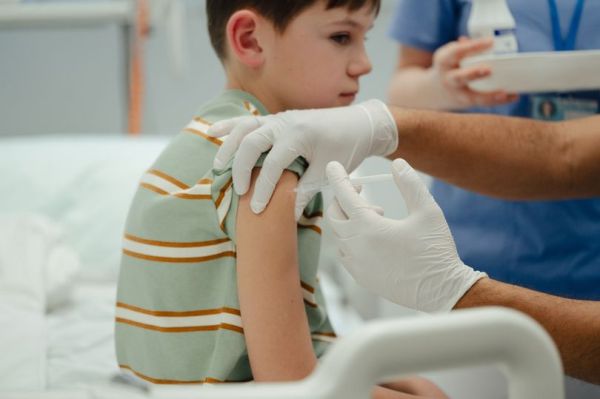
In response to the surge in hospitalisations, the NHS is continuing to urge vulnerable people to receive their winter vaccinations to boost their immune system, including the flu jab. According to the figures released today, over 17.4 million people have been vaccinated this year so far – more than 170,000 above this point last year.
Prof Meghana added: “NHS staff have pulled out all the stops to vaccinate more people than last year, and with just a week left to ensure maximum immunity from flu for Christmas Day, I would urge anyone eligible for the vaccine to please book an appointment or visit a walk-in site as soon as possible. Vaccination is the best protection against getting potentially very ill and it also helps protect those around you.
“We have prepared earlier for winter than ever before, and stress-tested services to ensure people have a range of ways to get the help they need and avoid needing to go to A&E. For non-life-threatening care, people should call NHS 111 or use 111 online, which can direct you to the most appropriate place, and use A&E and 999 for life threatening conditions and serious injuries.”
Will this affect my ability to be seen in hospital?
The NHS has highlighted that primary, urgent, and emergency care services will remain accessible to those who need them, despite the increased pressure on capacity. It advises members of the public to use 111 online as their initial point of contact for urgent but non-life-threatening issues.
However, if a patient needs medical attention due to a genuine emergency or accident, they should still dial 999 or visit A&E.
Contact to : xlf550402@gmail.com
Copyright © boyuanhulian 2020 - 2023. All Right Reserved.