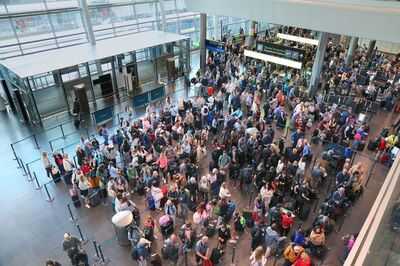
UK holidaymakers have been cautioned to prepare for queues of up to four hours at European airports, especially during Christmastime, following the introduction of the new Entry-Exit system (EES) on October 12. The EES, which replaces manual passport stamping with biometric checks, necessitates fingerprinting and facial scans for every non-EU traveller. This additional step, coupled with the high volume of passengers during the festive season, results in significant slowdowns when multiple flights land simultaneously.
Early indications suggest that major hubs such as Paris and Amsterdam are grappling with bottlenecks during peak periods, and with Christmas just around the corner, more chaos and mayhem can be expected. Representing one of the most significant changes to European border control in decades, the EES applies to all non-EU travellers - including Britons - entering the 'Schengen area' (29 EU countries including France, Italy, and Spain).
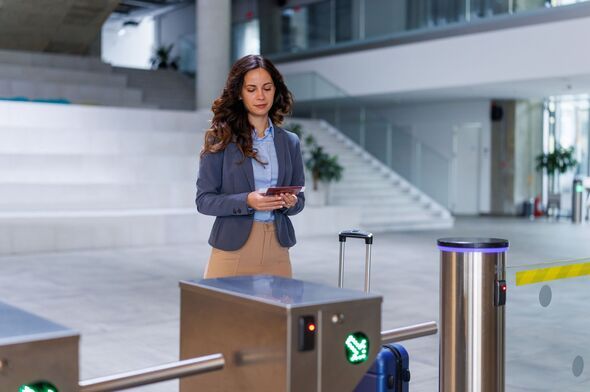
Although registration only takes a few minutes per person, when multiplied across hundreds of passengers, it's leading to substantial queues.
This warning comes as winter holidays continue to surge in popularity, with 51% of Brits planning to travel abroad between November and February. To help holidaymakers avoid chaos, travel expert Jane Bolton from ski holiday specialist Erna Low offers her top tips for navigating the new rules and ensuring a stress-free trip.
Arrive well in advance"Airport wait times can vary, but with the new EES checks, queues of up to four hours are expected at peak times," Jane explains. "In the past, travellers were advised to arrive at the airport two hours prior to a domestic flight and three hours for an international flight. Now, it's worth allowing more time than usual - especially during school holidays and weekends. I'd recommend arriving at least three to four hours before your flight to make sure you don't miss it."
Keep an eye on your departure airport's updatesJane advises: "As the EES rolls out across Europe, it is unavoidable for airports to be at different stages of this process, given the scale of the system. Some major airports like Charles-de-Gaulle (France), Düsseldorf (Germany), and Rome Fiumicino (Italy) have already implemented self-service EES kiosks, while others will still be manually registering the biometric facial and fingerprint recognitions.
"Those doing it manually are expected to take longer, so check your airport's website before you leave home to plan appropriately."
Opt for 'fast track passes' where possibleWith long queues anticipated, passengers are advised to consider alternative time-saving methods.
The travel expert's advice? "Purchasing fast-track tickets for security is a great method for reducing the time needed prior to a flight. These tickets cost between £3 and £12 per person, depending on the airline, and can shave off hours within peak travel times. It's a relatively small investment for peace of mind."
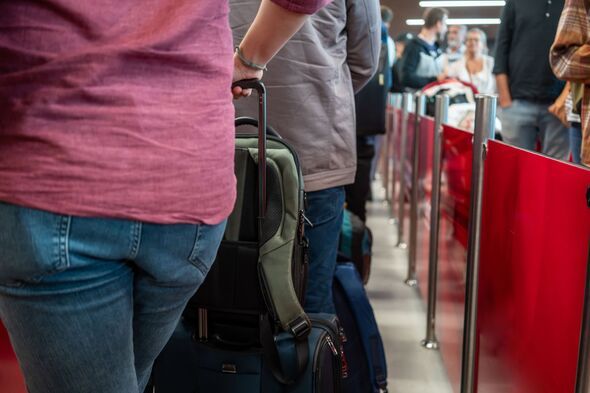 Extra time should be allowed for family travel
 Jane says: "Whilst the new system requires facial and fingerprint recognition, children under twelve are exempt from this requirement and instead must be linked to an accompanying adult who is registered on the system.
"For families or large parties travelling, allowing extra time at the airport is essential. This process will take longer than average, so plan ahead and keep all documents ready."
Check passport validityJane cautions: "Since Brexit, many Brits have been caught out by new passport rules. Your passport must have been issued less than 10 years before your travel date and be valid for at least three months after departure."
The travel specialist further adds: "The key date to look at is the issue date rather than expiration. For example, a passport issued in March 2015 and expiring in December 2025 won't be valid for EU travel after March 2025. Checking this before you book is essential to avoid being turned away at the airport.
"Whilst the new entry/exit system may seem likely to cause chaos for your upcoming travels, holidaymakers should be assured that this process will, in the long-term, streamline your travel. Once registered, the travel process will become much smoother for those travelling within the Schengen area."
The travel expert concludes: "If you check your passports, allow extra time for queues, purchase fast track where possible and check your departure airport for updates, your holiday should be off to a great start."
Contact to : xlf550402@gmail.com
Copyright © boyuanhulian 2020 - 2023. All Right Reserved.