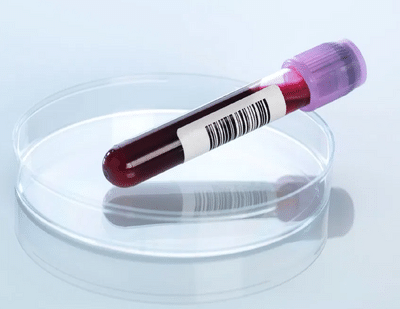
The Erythrocyte Sedimentation Rate (ESR) test measures how quickly red blood cells (RBCs) settle at the bottom of a test tube within one hour. It is a simple, routine test suitable for people of all age groups. Doctors frequently prescribe it because it helps detect inflammation or abnormal activity in the body. Although ESR does not diagnose any specific disease, it signals that further investigation may be necessary. This is why it is often used as a primary screening test.
Below is a detailed explanation of why the ESR test is done, how it works, and what rising or falling levels indicate.
Why is an ESR Test Done?
According to Dr. Sunkar Dutt, former Head of the Radiology Department at AIIMS Delhi, ESR is conducted because it provides an early indication of internal inflammation. When the body encounters viruses, bacteria, autoimmune disorders, injury, or any inflammatory process, certain blood proteins—especially fibrinogen—rise. These proteins cause red blood cells to stick together and settle faster, resulting in an increased ESR value.
Doctors use the ESR test to detect whether an active inflammatory process is occurring in conditions such as:
-
Infections
-
Autoimmune diseases
-
Arthritis
-
Persistent fever
-
Lung or intestinal disorders
-
Chronic weakness or unexplained fatigue
The test does not confirm a disease on its own, but it helps guide the need for additional diagnostic tests.
How is ESR Measured?
In an ESR test, a blood sample is collected and placed in a tall, narrow tube. The tube is left undisturbed for one hour. After an hour, the distance that the red blood cells have settled is measured.
-
Faster settling = Higher ESR
-
Slower settling = Lower ESR
A high ESR may indicate:
-
Inflammation
-
Infection
-
Tissue injury
-
Autoimmune disorders
-
Chronic diseases
Common symptoms linked with high ESR include fever, body weakness, joint pain, weight loss, and fatigue.
A low ESR is usually normal. However, it may sometimes occur due to:
-
Dehydration
-
Certain medications
-
High red blood cell count
-
Sickle cell disease
Low ESR is generally not a cause for concern unless accompanied by symptoms.
Important Things to Remember Before an ESR Test
-
Inform your doctor about all medicines you are currently taking.
-
Follow your doctor’s instructions regarding fasting; ESR usually does not require an empty stomach.
-
Avoid stress, exertion, or heavy physical activity before the test.
-
Never interpret the result on your own—always consult your doctor for proper evaluation.
-
If serial ESR tests are required, allow adequate time between tests for accurate comparison.
Contact to : xlf550402@gmail.com
Copyright © boyuanhulian 2020 - 2023. All Right Reserved.