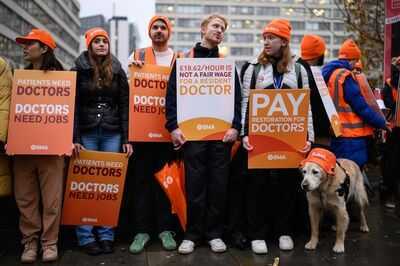
Doctors will consider calling off an NHS strike action in the run-up to Christmas after a last ditch attempt offer.
A last ditch offer from the Government could avert the five-day strike from December 17 which could see many frail people unable to be discharged in time to be at home for Christmas. The British Medical Association will now ballot resident doctors over whether to accept the offer on "ending the jobs crisis for doctors in England" - but has refused to postpone the strike while this takes place.
Health Secretary Wes Streeting says this will mean many operations will have to be cancelled anyway. He said: "This offer will now go to BMA members, but the BMA have chosen to continue holding the spectre of strikes over the NHS next week.
• 'I’m a doctor and I can’t get an NHS job - it’s like a punch to the stomach'
• A&E alert as medics warn ‘this winter we will see NHS gridlock’
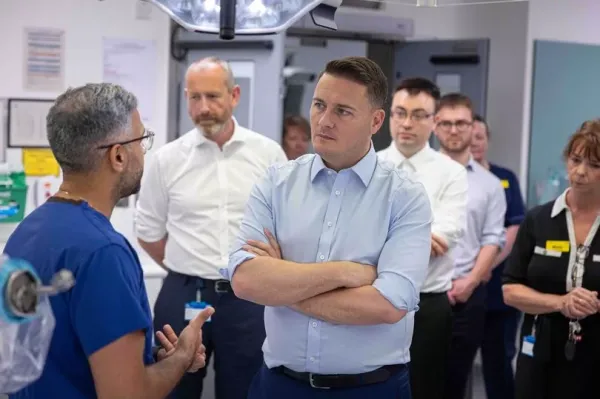
"This was entirely avoidable as I offered to give the BMA the chance to reschedule strikes in January after the vote has taken place so that they could cancel the Christmas strikes, which are timed for the most damaging period of the year. I am astounded that the BMA's leadership rejected this. It means their NHS colleagues will this week be cancelling Christmas plans to cover shifts, and patients will have their operations cancelled, as the NHS prepares for the worst."
NHS leaders had warned of the impact of the strike which will see other staff such as nurses have to cover for doctors at the busiest time of year as the health service battles a record flu surge. Resident doctors, those below consultant level who mainly work in hospitals, will be consulted over whether this offer is enough to call off next week's walkout through an online survey, which will close on Monday December 15.
If union members say the offer is enough to call off the strikes, then a formal referendum will be held on the proposals, the BMA said. If they do not, the strikes will go ahead as planned. The new offer includes new legislation to ensure homegrown doctors in training have priority for speciality training roles.
The Government also wants to tackle long-established “bottle necks” where doctors become unemployed due to a lack of training places. It offers an increase of 4,000 speciality training posts over the next three years, with 1,000 of these brought forward to start in 2026.
The offer will also tackle doctors’ training costs by funding mandatory examination and Royal College membership fees for resident doctors. BMA resident doctors committee chairman, Dr Jack Fletcher, said: "We have forced the Government to recognise the scale of the problems and to respond with measures on training numbers and prioritisation.
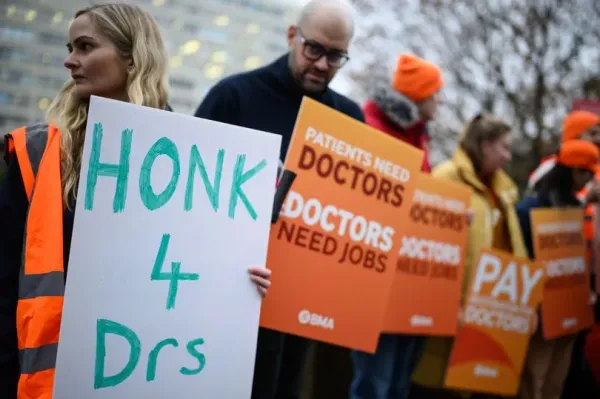
"However, this offer does not increase the overall number of doctors working in England and does nothing to restore pay for doctors, which remains well within the Government's power to do. After their strike action succeeded in moving the Government from offering 1,000 training jobs to 4,000, as well as a plan on prioritisation for UK graduates and those who have worked in the NHS for some time, as a member-led organisation we are giving resident doctors their say.
"If members believe this is enough to call off strike action then we will hold a referendum to end the dispute. But if they give us a clear message that it is not, the Government will have to go further to end industrial action."
The Government said that it offered to extend the union's strike mandate if it called off the strikes. The Department of Health and Social Care said that it is "deeply disappointing that the BMA leadership has refused this generous compromise".
Mr Streeting added: "I cannot understand the wilful casualness with which the BMA's leadership have chosen to inflict this pain on patients, other staff and the NHS itself. It is one of the most shameful episodes in the long history of the BMA. I am appealing directly to resident doctors, who now have an opportunity to vote for more jobs, better career opportunities, more money in their pockets, and to end the strikes. I urge them to vote for this deal."
The BMA is calling for a commitment to increase pay by 26% over the next few years. The BMA points to pay erosion since 2008 saying real terms salaries are down a fifth since then, according to the Retail Price Index measure of inflation. The Government’s preferred measure of inflation is the Consumer Price Index - which excludes mortgage and permanent housing costs - shows average resident doctor salaries down 5% since 2008.
Mr Streeting has pointed out that by any measure their pay has been increasing in real terms in recent years, including their latest 5.4% deal for 2025/26.
Contact to : xlf550402@gmail.com
Copyright © boyuanhulian 2020 - 2023. All Right Reserved.