
Flu patients will be occupying the most hospital beds on record by next week, the NHS boss predicts.
Sir Jim Mackey told an NHS England board meeting that it’s “reasonable to assume” flu patientswill take up between 5,000 and 8,000 hospital beds each day by next week. The previous high was at the peak of the last flu season in January when flu hospitalised 5,408 on average each day. It comes as Britain is braced for its worst flu season on record as a new aggressive flu strain called H3N2 is causing more severe illness even in otherwise healthy people.
Sir Jim, chief executive of the NHS in England, told a board meeting on Thursday: “We've had a really, really big increase in fluover the last few weeks.
• Flu alert as NHS hospitalisations 10 TIMES higher as 'deepest concerns' confirmed
• NHS reveals how to get treated quicker during 'busiest' winter

“…if you just stand back and look from the way the data is moving day by day, we are currently at around 2,000 occupied beds. I would think it's reasonable to assume it will be between 5,000 and 8,000 occupied beds around this time next week. That's a material impact on our capacity as we're recovering from the last round of industrial action and just about heading to, sadly, another one.”
Comparable NHS hospitalisation data only goes back as far as 2020/21 but infection rates from Australia suggests the UK is facing the worst flu season since at least the turn of the century.
Official data released by NHS England the same day put average bed occupancy to flu at 1,717 but Sir Jim’s intervention revealed this is already out of date due to a time lag between data collection and publication. Even that official figure in the first of this year's NHS winter “situation reports”, which includes 69 patients in critical care, is 56% higher than the figure at this point in 2024. It is ten times higher than at this point in 2023, when there were an average of 243 flu patients in hospital.
Sir Jim said there was “palpable anger, frustration and exasperation” at a “cruel” decision by the British Medical Association to call another five day strike of resident doctors in the build-up to Christmas. It follows warnings more NHS patients will spend Christmas away from their families on a busy hospital ward because doctors are on strike.
The BMA’s strike will run from 7am from December through the week before Christmas when hospitals are busy trying to discharge patients where possible. Other NHS staff will be called in over the festive season to cover for striking doctors.
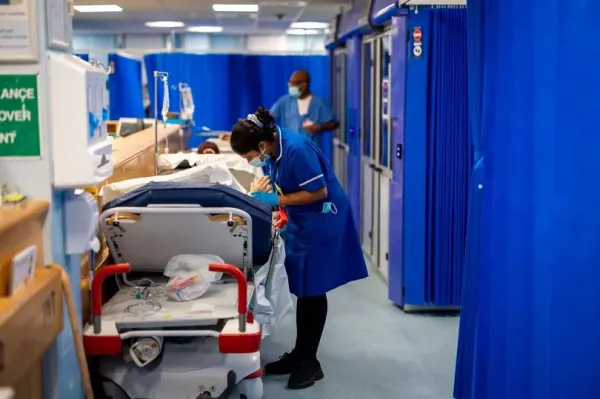
Sir Jim told the meeting: “I was talking to a chief exec colleague on the way down, and some consultant colleagues a few days ago think we're all just really trying to get our heads around something that feels cruel, feels calculated to cause mayhem at a time when the service is really pulling all the stops out to try and avoid that and keep people safe.
"So I really do hope we can find a way of avoiding this. We can't expect this round to be similar to the last two, because it's now being called at the height of winter, when we've got a lot of flu around, and we are actively considering what our national response to that should be.”
Health Secretary Wes Streeting said: “Winter is a hard time for the NHS, but because we acted earlier than ever we’re seeing progress with faster ambulance response and handover times compared to this time last year. This progress is being put in real jeopardy by the BMA's leadership, whose reckless behaviour to time industrial action at the height of winter, will put more patients are risk and bear down hard on their NHS colleagues in the run up to Christmas. We will do all we can to weather this storm.”
UK Health Security Agency (UKHSA) estimates show that deaths from flu in England stood at 7,757 last winter compared to 3,555 the year before. Child deaths involving flu also increased from 34 to 53. It comes after the head of the NHS warned Britain could face its worst flu season on record this winter. Data from Australia - which is six months ahead of the UK with its flu season - shows infections reached the highest levels since records began in 2001 while schools have closed in Japan due to a flu epidemic.
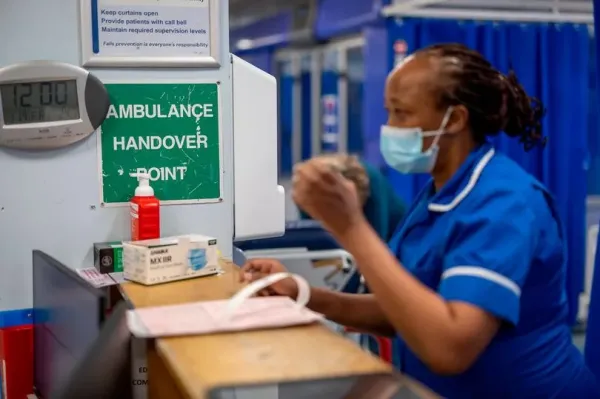
H3N2, has mutated to better escape immunity from previous vaccines. Jabs still offer significant protection - and often prevent serious illness - but less so than previous years. NHS England said it has already delivered almost 17m flu jabs this year - 350,000 more than this time last year.
The BMA points to pay erosion since 2008 saying real terms salaries are down a fifth since then, according to the Retail Price Index measure of inflation. The Government’s preferred measure of inflation the Consumer Price Index - which excludes mortgage and permanent housing costs - shows average resident doctor salaries down 5% since 2008. But Mr Streeting has pointed out that by any measure their pay has been increasing in real terms in recent years, including their latest 5.4% deal for 2025/26.
BMA resident doctors committee chair Dr Jack Fletcher said: “What’s truly reckless is not the timing of this strike, but the Government’s refusal to fix the crisis staring them in the face. And what’s genuinely cruel is shutting the door on thousands of doctors who are desperate to serve the NHS and relieve those same winter pressures.
"At a time when waiting lists are at record highs, thousands more doctors could be on the front line, giving care, becoming our consultants of the future. That should outrage every member of the public. Patients deserve better. Doctors deserve better.
“The public want an NHS that actually works. This crisis may not have been originally created by this Government, but without a real plan they are on the verge of owning every inch of it.”
Contact to : xlf550402@gmail.com
Copyright © boyuanhulian 2020 - 2023. All Right Reserved.