
It's essential to remain vigilant when browsing the internet. Whilst many of us understand the fundamentals of online security - never sharing passwords or entering payment details on suspicious websites - cybercriminals are becoming increasingly sophisticated.
As internet users become more tech-savvy, hackers and fraudsters have developed cleverer tactics. A TikTok user is now warning people to exercise extreme caution with unfamiliar websites accessed via mobile phones or computers, as a "very clever" new scam could result in hackers obtaining personal data and potentially draining bank accounts.
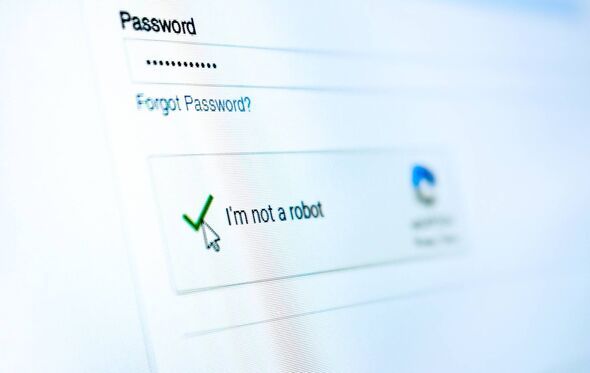
The video, posted by shopping and thrifting expert Caroline, highlighted a scam type known as a "CAPTCHA scam", which creates fraudulent versions of the CAPTCHA tests commonly found across numerous websites.
Nearly everyone will have encountered a CAPTCHA test previously. The acronym represents "Completely Automated Public Turing test to tell Humans and Computers Apart", and they're implemented to prevent automated bots from gaining website access.
Whilst some simply require ticking a box to verify human identity, others present more complex challenges, such as identifying images containing cats or positioning puzzle pieces correctly. However, according to Caroline's video, these CAPTCHA tests are being manipulated by fraudsters in an attempt to trick individuals into completing them.
Rather than requesting you to select images, the test will instruct you to enter a series of commands into your computer, which could potentially install a harmful virus known as malware.
Depending on the nature of the scam and the software installed by the counterfeit CAPTCHA, cybercriminals may gain remote access to your device using the virus you unwittingly installed. This would grant them access to all the data on your computer, possibly including banking details - implying they could pilfer your funds in the worst-case scenario.
Caroline warned: "In the fake CAPTCHA that's going around, it will ask you to complete a certain set of instructions, such as pressing keys in a particular order. If you do complete these commands, then malicious software can be downloaded onto your device - otherwise known as malware.
"This can then be used by hackers to steal your data and your money. So be sure to be on high alert every time you see one of these CAPTCHAs, and never complete a set of commands or instructions such as pressing particular keys."
A legitimate CAPTCHA test will never request personal information or ask you to input any data into your computer. While their appearance may vary, they will always involve simple pattern tests, such as selecting images, rotating images, or sliding puzzle pieces.
Viewers of the video expressed their gratitude to Caroline for exposing the scam, as many were unaware of its existence. They also pledged to share her video with those who don't use TikTok, particularly older individuals who may be less tech-savvy and therefore more susceptible to these scams.
One individual lamented: "I wish I'd seen this sooner! I fell for one earlier this year, and my laptop still hasn't recovered." Another commented: "Thank you for this, it's crazy how many scams are going around these days."
A third remarked: "I appreciate the information. Really wish I could download the video to send it around to people who don't have TikTok, like my parents, for example."
Top tips for staying secure onlineThe National Cyber Security Centre (NCSC) provides useful information on its website to help keep you and your family safe when browsing the internet, including how to create secure passwords and how to retain control of your data. Some key tips they suggest include:
- Use a strong and separate password for your email. You should avoid using the same password for any two websites, but your email password should absolutely never be used again. If your password appears in a data leak on another site, hackers could use it to access your email and any accounts associated with it.
- Install the latest software updates. Software and app updates often contain vital security updates that help to protect your devices from cyber criminals.
- Turn on 2-step verification. This can help protect your online accounts, as it will send a text message or an email with a code in it whenever you or someone else tries to access your account. While you'll be able to input the code when the login attempt is genuine, hackers will be unsuccessful.
- Use a password manager. Passwords should never be easy to guess, and the strongest passwords are the ones that even you can't remember because they're a random string of letters and numbers. Using a password manager can help you create and store passwords securely.
- Backing up your data. Safeguard your most important data, such as photos and key documents, by backing them up to an external hard drive or cloud-based storage system. This means you can always access it no matter what happens to your device.
Contact to : xlf550402@gmail.com
Copyright © boyuanhulian 2020 - 2023. All Right Reserved.