
Those safeguarding themselves against a widespread virus may simultaneously be lowering their chances of developing dementia, according to new findings. Scientists from Cardiff University, Stanford University, and the Heidelberg Institute of Global Health analysed health records of 300,000 Welsh residents and uncovered remarkable results.
The research revealed that the shingles (herpes zoster) jab could not only help ward off dementia but might also slow its advancement. The team used electronic health records from the Secure Anonymised Information Linkage (SAIL) databank, and discovered those eligible for the live shingles vaccine (Zostavax) showed reduced likelihood of developing mild cognitive impairment, an early indicator of dementia. Additionally, those already living with a dementia diagnosis demonstrated lower death rates from the condition.
The study's authors now suggest these discoveries could carry "major implications" for public health policy. Dr Haroon Ahmed, Senior Clinical Lecturer in Epidemiology and Director of the Academic Fellows Scheme, explained: "Our results suggest that the shingles vaccine could potentially prevent early memory decline and slow disease progression."
- NHS GP shares 10 reasons you should drink coffee
- Dr Amir Khan says this is the 'most overlooked' risk factor for dementia
Dr Ahmed, who is also a GP and was part of the research team, stated: "Because the vaccine is safe, affordable, and already widely available, this finding could have major implications for public health - although more research is needed to test our work and understand more about the potential protective effect the vaccine offers against dementia, particularly how and why it works," reports Wales Online.
The study used the UK National Health Service’s rollout of the shingles vaccination programme to create a natural experiment. The programme's structure meant eligibility hinged on date of birth, enabling researchers to draw comparisons between two virtually identical cohorts - individuals born immediately before and after the eligibility threshold.
Researchers examined health records spanning from 2013 to 2022, covering more than 300,000 Welsh residents. The findings revealed that vaccination substantially lowered new diagnoses of mild cognitive impairment and, amongst those already living with the condition, reduced dementia-related deaths.
The protective benefits proved more pronounced in women compared to men, mirroring patterns observed in other research examining vaccine-related immune responses. While the precise mechanism remains uncertain, scientists speculate that the shingles vaccine may work by preventing the reactivation of dormant viruses such as varicella zoster and herpes simplex.
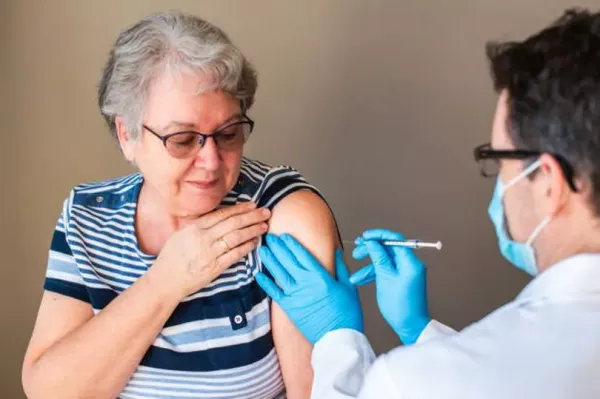
These viruses are believed to contribute to brain inflammation and the accumulation of harmful proteins associated with dementia. Another theory is that the vaccine provides a general boost to the immune system, counteracting the weakening of immunity often seen in older age.
The researchers hope this new study will pave the way for further investigations among younger groups, emphasising that additional research is required to validate these findings and gain a deeper understanding of how the vaccine impacts brain health.
These recent findings, published in Cell on December 2, build upon previous research published in Nature earlier this year. According to vaccination regulations in Wales, eligibility for the zoster vaccine was determined based on an individual's exact date of birth.
Those born before September 2, 1933 were ineligible and remained so for life, while those born on or after September 2, 1933 were eligible to receive the vaccine for at least one year.
The research team discovered that older adults in Wales who were administered the shingles vaccine had a 20% lower risk of developing dementia over the subsequent seven years compared to those who did not receive it. Furthermore, those who were vaccinated post-dementia diagnosis demonstrated a significantly reduced likelihood of dying from dementia within the following nine years (as stated on their death certificates), implying that the vaccine could potentially decelerate the progression of the disease.
Contact to : xlf550402@gmail.com
Copyright © boyuanhulian 2020 - 2023. All Right Reserved.