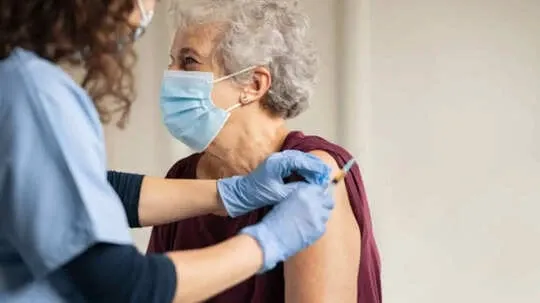
5 Vaccines Recommended for Adults Age 60 Years and Older
Vaccines are among the best ways to protect your health and well-being. According to experts, vaccines are vital for older adults. Risks to certain diseases are higher for this age group since it can be more difficult to fight off infections as your immune system naturally weakens as you get older.
Most of the infections, like influenza, pneumonia, shingles, tetanus, diphtheria, whooping cough, and respiratory syncytial virus, increase your risk for serious complications that cause long-term illness and hospitalization.
Five important vaccines that adults who are more than 60 years of age should get done for disease prevention include:
Influenza
For those over 60 years of age, doctors recommend specialized high-dose and recombinant flu vaccines, which help strengthen immunity levels. Doctors say standard vaccines can be less effective in this age group - even though any flu vaccine is better than none.
The specially created "senior flu shots" create more protection, reducing severe illness, hospitalization, and complications like pneumonia. Getting the vaccine significantly lowers your risk for developing complications from the flu, like sinus and ear infections, pneumonia, inflammation of the heart, brain, or muscle tissues, multi-organ failure, or sepsis.
Pneumonia
The pneumonia vaccine is recommended for those aged 60 years and older, updated from the previous recommendation of 65 years and older.
Pneumonia is caused by a bacterium or virus that infects the lungs. The vaccine is 60 to 70 per cent effective in preventing invasive disease. Most adults will only need one vaccine for a lifetime of protection; however, certain high-risk groups may need a second dose, so talk to your provider about your individual risk.
Shingles
For those above 60, the recommended shingles vaccine in the US is Shingrix - a more effective, two-dose recombinant vaccine, replacing the older Zostavax, to prevent painful shingles and its complication, postherpetic neuralgia. It is more than 90 per cent for those who are more than 60 years old - given in two shots 2 to 6 months apart, even if you had chickenpox, shingles, or Zostavax before, and is available at hospitals and pharmacies.
Tetanus, Diphtheria, and Pertussis
For those who are over 60 years of age, doctors recommend the Td (tetanus and diphtheria) booster every ten years - but a one-time Tdap is strongly recommended if you have not had it since childhood. Seniors are vulnerable to infections like the whooping cough as well. So, get Tdap if you missed it, then switch to Td every decade.
Doctors say the vaccine is greater than 95 per cent effective in preventing tetanus and diphtheria and 70 per cent effective in preventing pertussis.
Respiratory Syncytial Virus or RSV
Respiratory Syncytial Virus is a common respiratory virus that affects the lungs, nose, and throat. Most prevalent in the fall and winter, RSV is serious, especially for infants, older adults, and those with weak immune systems or other illnesses.
RSV vaccines are available and recommended for adults 60 and older, with the doctors especially for those who are 75+ with high-risk conditions like heart and lung disease, weakened immunity, diabetes, to prevent severe illness like pneumonia, hospitalization, and death from the common virus that can be serious for older adults.
Contact to : xlf550402@gmail.com
Copyright © boyuanhulian 2020 - 2023. All Right Reserved.