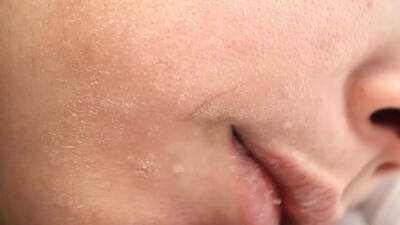
Understanding thyroid disorders: How hypothyroidism and hyperthyroidism impact skin, hair, and nail health
Thyroid hormones are crucial for regulating metabolism and maintaining the health of skin, hair, and nails. They support skin development, stimulate hair growth, regulate sebum production, and aid in wound healing. Imbalances in thyroid hormone levels, whether from underactive (hypothyroidism) or overactive (hyperthyroidism) thyroid function, can lead to noticeable changes in the skin, hair, and nails. Hypothyroidism often causes dry, rough skin, brittle hair, and slow-growing nails, while hyperthyroidism can result in thin, moist skin, hair thinning, and nail abnormalities. Scientific studies show that these effects occur because thyroid hormones influence cellular metabolism, collagen formation, vascular function, and sebaceous gland activity, making proper thyroid regulation essential for maintaining healthy skin and hair.
Thyroid and skin health: Changes caused by Hypothyroidism and Hyperthyroidism
According to , thyroid hormones play an important role in keeping the skin, hair, and nails healthy. When the thyroid is underactive (hypothyroidism) or overactive (hyperthyroidism), it can cause noticeable changes such as dry or thin skin, hair loss, and brittle nails. Maintaining balanced thyroid function is essential for healthy skin and overall dermatological health.
Skin changes in hypothyroidism
Hypothyroidism occurs when the thyroid gland produces insufficient hormones. This condition can lead to multiple skin and hair alterations:
Scientific studies confirm that these manifestations are directly linked to low thyroid hormone levels affecting skin physiology.
Skin changes in hyperthyroidism
Hyperthyroidism is characterised by excessive thyroid hormone production. Its effects on the skin and hair include:
These effects are supported by studies demonstrating that hyperthyroidism alters skin physiology through vascular changes and accelerated cellular turnover.
How thyroid disorders affect skin health
Both hypothyroidism and hyperthyroidism influence the skin, hair, and nails through several mechanisms:
Understanding these mechanisms highlights the importance of maintaining balanced thyroid function to support overall skin health.
Skin care recommendations for thyroid-related conditions
Scientific literature suggests that managing thyroid hormone levels is the primary method to improve skin conditions. Additional supportive measures include:
These strategies, alongside medical treatment for thyroid imbalance, are effective in reducing skin complications.
Thyroid hormones have a significant influence on skin, hair, and nail health. Hypothyroidism often leads to dryness, hair and nail brittleness, and slowed healing, whereas hyperthyroidism typically causes thin, moist, or reddened skin, hair thinning, and nail changes. Scientific studies demonstrate that proper regulation of thyroid hormones, combined with supportive skincare practices, can mitigate these effects and promote healthy skin. Understanding the connection between thyroid function and dermatological health is crucial for managing these conditions effectively.
Thyroid and skin health: Changes caused by Hypothyroidism and Hyperthyroidism
According to , thyroid hormones play an important role in keeping the skin, hair, and nails healthy. When the thyroid is underactive (hypothyroidism) or overactive (hyperthyroidism), it can cause noticeable changes such as dry or thin skin, hair loss, and brittle nails. Maintaining balanced thyroid function is essential for healthy skin and overall dermatological health.
Skin changes in hypothyroidism
Hypothyroidism occurs when the thyroid gland produces insufficient hormones. This condition can lead to multiple skin and hair alterations:
- Dry and rough skin due to reduced sebum production and slower epidermal turnover.
- Pale and cool skin from decreased blood flow and narrowed blood vessels.
- Thickened skin in palms and soles, sometimes causing cracks.
- Hair changes, including brittle, coarse hair with slow growth and eyebrow thinning (madarosis).
- Brittle nails that may split or become thin.
- Slowed wound healing due to impaired cellular metabolism.
- Myxoedema, in severe cases, involves mucopolysaccharide deposition in the dermis.
Scientific studies confirm that these manifestations are directly linked to low thyroid hormone levels affecting skin physiology.
Skin changes in hyperthyroidism
Hyperthyroidism is characterised by excessive thyroid hormone production. Its effects on the skin and hair include:
- Thin, smooth, and warm skin due to increased blood flow and accelerated metabolism.
- Excessive sweating (hyperhidrosis).
- Hair thinning and non-scarring alopecia caused by faster hair follicle cycling.
- Nail abnormalities such as Plummer’s nails, where nails are concave and raised.
- Visible capillaries and skin redness on the face, palms, and elbows.
- Pigmentation changes and thickening or nodules in Graves’ disease.
- Premature greying of hair due to metabolic and oxidative changes.
These effects are supported by studies demonstrating that hyperthyroidism alters skin physiology through vascular changes and accelerated cellular turnover.
How thyroid disorders affect skin health
Both hypothyroidism and hyperthyroidism influence the skin, hair, and nails through several mechanisms:
- Hormonal changes affect collagen production, altering skin thickness and elasticity.
- Sebaceous gland activity is reduced in hypothyroidism, leading to dry skin, and may be increased in hyperthyroidism, resulting in oily or moist skin.
- Blood flow changes affect skin temperature, colour, and healing.
- Hair follicle cycling is disrupted, causing hair thinning or brittleness.
- Nail growth and integrity are impacted, leading to brittleness, concavity, or slow growth.
Understanding these mechanisms highlights the importance of maintaining balanced thyroid function to support overall skin health.
Skin care recommendations for thyroid-related conditions
Scientific literature suggests that managing thyroid hormone levels is the primary method to improve skin conditions. Additional supportive measures include:
- Moisturisation using thick creams with ceramides, glycerine, urea, hyaluronic acid, or shea butter to restore the skin barrier.
- Avoiding irritants such as alcohol-based toners or harsh soaps that worsen dryness.
- Temperature control in bathing, using cool to warm water and pat-drying to prevent moisture loss.
- Sun protection with broad-spectrum sunscreen to prevent hyperpigmentation.
- Hydration and dietary support, reducing alcohol and caffeine intake to maintain skin and vascular health.
- Hair and scalp care with attention to thyroid hormone status to prevent hair loss and maintain hair health.
These strategies, alongside medical treatment for thyroid imbalance, are effective in reducing skin complications.
Thyroid hormones have a significant influence on skin, hair, and nail health. Hypothyroidism often leads to dryness, hair and nail brittleness, and slowed healing, whereas hyperthyroidism typically causes thin, moist, or reddened skin, hair thinning, and nail changes. Scientific studies demonstrate that proper regulation of thyroid hormones, combined with supportive skincare practices, can mitigate these effects and promote healthy skin. Understanding the connection between thyroid function and dermatological health is crucial for managing these conditions effectively.
Contact to : xlf550402@gmail.com
Copyright © boyuanhulian 2020 - 2023. All Right Reserved.