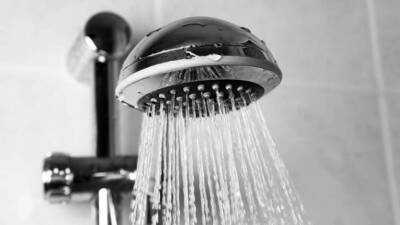
A hot shower feels like the cleanest place in the world, but research shows that the inside of a shower head can be home to far more bacteria than most people imagine. Because shower heads stay warm, damp, and enclosed, they create the perfect environment for microbial growth. Many assume that water flowing through keeps everything clean, yet stagnant water left between uses helps bacteria multiply and form sticky layers known as biofilms. When the shower is turned on, some of these microbes can be released into the air in tiny droplets. While not all bacteria are harmful, certain kinds can pose risks to people with weakened immune systems or existing respiratory conditions. Understanding how much bacteria may live in your shower head and how to clean it safely is essential for maintaining a hygienic home.
A on environmental microbiology found that shower heads can contain high concentrations of opportunistic pathogens, including non-tuberculous mycobacteria, which were detected in levels significantly higher than in the incoming water supply. The study concluded that shower systems represent a potential route for exposure through inhaled aerosols.
Why shower head bacteria can build up without you noticing
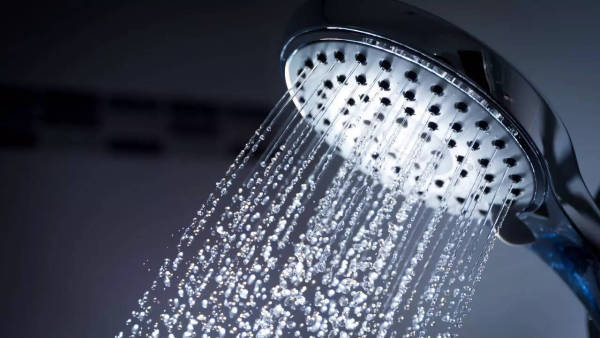
Biofilms thrive inside moist plumbing
Biofilms develop when bacteria attach to surfaces and form protective layers that help them survive cleaning attempts and disinfectants. Shower heads provide ideal conditions because warm water, humidity and resting periods allow bacteria to multiply. Over time, these layers can build up deep inside the shower head and connecting pipes.
Bacteria can enter the air when water flows
When water sprays from a shower head coated in biofilm, it creates tiny airborne droplets that may contain bacteria. These aerosols can be inhaled or settle onto surfaces. Research shows that microorganisms can travel several metres from the source in enclosed bathrooms, especially when ventilation is poor.
Types of bacteria found in shower heads
Studies commonly detect non-tuberculous mycobacteria, Legionella and other environmental bacteria . Most healthy people will never become ill from exposure, but individuals with asthma, COPD, cystic fibrosis or weak immune systems should be more cautious. In rare cases, inhalation of contaminated droplets has been linked to respiratory infections.
How to clean a shower head safely and reduce bacteria buildup
Regular cleaning schedule
Remove the shower head and soak it in a solution of white vinegar and water or use approved descaling products to break up mineral deposits where bacteria hide. Scrub visible parts with a small brush to remove surface film. Cleaning every few months keeps biofilms from becoming established.
Disinfect properly after descaling
After soaking and rinsing, disinfect using a diluted bleach solution or a hydrogen peroxide-based cleaner to reach microbes deeper inside. Follow product instructions carefully and rinse thoroughly before reattaching to the wall.
Run hot water before showering
Let the water run for one to two minutes before stepping in, particularly after long periods of non-use. This helps flush stagnant water and reduce microbial concentration in the first spray.
Improve ventilation
Bathrooms with poor airflow allow aerosols to linger. Keep an exhaust fan on or open a window when showering to reduce airborne droplet exposure and moisture buildup.
Consider replacing old shower heads
Older shower heads that are difficult to clean may be better replaced. Newer models designed for easy disassembly or antimicrobial surfaces can help limit bacteria accumulation, although cleaning remains necessary.
What you should know about real risk
Finding bacteria in a shower head does not mean you are in immediate danger. For most people, risks remain low and proper cleaning dramatically reduces concerns. The issue becomes more important in homes with vulnerable individuals or older plumbing systems where stagnant water is common. Shower head hygiene is an overlooked but simple part of overall home cleanliness.
Shower heads can harbour surprising amounts of bacteria due to moisture, warmth and infrequent cleaning. While most exposure is harmless, it is sensible to maintain good shower hygiene to reduce potential risk. Regular cleaning, hot water flushing and good ventilation can make your shower safer and healthier. With a few easy habits, you can continue enjoying a refreshing daily routine with more confidence in the quality of the water you breathe and use.
Also read|
Contact to : xlf550402@gmail.com
Copyright © boyuanhulian 2020 - 2023. All Right Reserved.