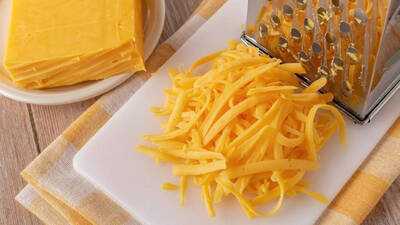
Do you create a mess each time you grate cheese? Then this is your sign to sit back and try this super easy yet no-mess way of grating cheese at home.
Why is grating tough?
There’s no denying, when it comes to home chores, grating cheese may sound like one of the simplest kitchen tasks, but if you have tried it, then you will surely know the pain of grating any form of cheese. This happens majorly because cheese scatters while grating, sticks to the grater, the surface and takes a lot of time to de-clutter. If you too can relate to this, then we have got your back with this simple trick that can fix this fuss in no time so that you may achieve restaurant-style grated cheese effortlessly.
Why does cheese turn messy?
Cheese blocks and cubes are the toughest to deal with. It sticks to your fingers, falls off the grater, or scatters all over the counter. What’s even worse is grating a soft and siggy cheese that too with the small side of the grater. Well, most of us can relate to this thing, but we have some simple hacks that will help you get perfectly shredded cheese without any mess.
Benefits of using a grater box
To grate cheese easily take the block and add some oil over the grater blades and choose the side with large blades so that the cheese can glide and slide inside the grater effortlessly. In fact, this method minimizes the effort by keeping the countertop mess-free,and since the cheese accumulates inside the grater box it reduces wastage of cheese, and makes cleanup much easier. Apart from that, you can also get more evenly grated cheese, which melts better on pizzas, sandwiches, pastas, and casseroles. It’s especially helpful for soft cheeses like mozzarella, Colby, and fresh cheddar. Here are some more tips and tricks that will help you reduce wastage of cheese while shredding.
Why does cheese become messy?
Most of us grate cheese at room temperature, straight from the block. Soft or semi-soft cheeses tend to become warm and sticky, which makes them difficult to handle. As a result, they turn mushy, cling to the grater, and create a mess all around. Well, cheese contains natural fats that soften as they warm up. When the cheese gets too soft, it loses structure and collapses against the grater. This is why you end up with smears instead of fine shreds.
Freeze before you grate
The easiest and most effective solution is to freeze the cheese for 10–15 minutes before grating. This firms up the fats, makes the cheese more solid, and helps it glide smoothly along the grater’s surface. You don’t need to freeze it completely just enough for it to hold its shape.
Use firm
Place the cheese block in the freezer for a short time until it feels firmer but not rock-hard. Then grate it using a standard box grater or microplane. You’ll notice instantly that the cheese forms neat, even shreds and doesn’t smear or clump.
Add oil to grater
If you are working with very soft cheese, lightly spraying the grater with cooking oil can further reduce sticking. This keeps the blades clean and makes grating much smoother.
Contact to : xlf550402@gmail.com
Copyright © boyuanhulian 2020 - 2023. All Right Reserved.