
An airline pilot has shed light on why aircraft seemingly lose power and 'drop' moments after take-off - and it is nothing to fret about. Taking to Instagram, flyman_simon - an Airbus A350 pilot who also works as a fear-of-flying coach - offered reassurance to nervous flyers everywhere.
According to figures from the International Air Transport Association, approximately 20 per cent of passengers experience some level of aviation anxiety. With over 4billion people taking to the skies annually, that represents a significant number of anxious travellers.
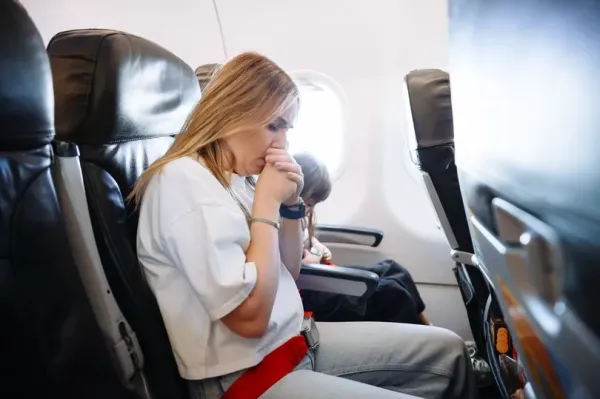
For those with a fear of flying, take-off and the initial few minutes airborne often prove the most unsettling. An Airbus A350 can tip the scales at over 300 tonnes during take-off, requiring substantial thrust to lift off the tarmac and ascend skyward.
- Anyone having turkey for Christmas dinner issued important 'don't do it' alert
- All the shock exits at snooker's UK Championship so far - Ronnie O'Sullivan blow, Kyren Wilson rant
Shortly after becoming airborne, the engines audibly reduce power whilst the aircraft's nose appears to dip downwards, occasionally creating the illusion that the plane is descending.
"That 'dropping' feeling after take-off is just a sensation, not an actual drop," flyman_simon clarified. "After lift-off we reduce thrust and ease the climb so the aeroplane can accelerate.
"The nose lowers slightly, the engines get quieter, and we start to clean up the wings - flaps and slats retract - to become more efficient. Your inner ear notices the nose lowering a drop on engine tone and can misread it as a dip, even though we are still climbing and accelerating.
"We also do this for a secondary reason: airport noise abatement, so we make less noise for the people living below our flight path, and to look after the engines by not using high power longer than needed.
"Soon after this sensation you will feel the speed build and the steady climb continue.
"So when it feels like a drop, remind yourself: we are climbing, the aircraft is getting sleeker and quieter, and you are on your way."
Contact to : xlf550402@gmail.com
Copyright © boyuanhulian 2020 - 2023. All Right Reserved.