Among all minerals important for human health, magnesium is outstanding. It participates in more than 300 enzymatic processes, from the generation of energy to muscular and nerve function. According to neuroscientist Robert Love, who centers his practice on Alzheimer's prevention, above all, magnesium maintains a healthy brain. Despite its significance-the United States Department of Agriculture reported that seven out of ten citizens have a deficiency in magnesium. As such, this pervasive issue puts the majority at risk for numerous health afflictions, also including cognitive decline.
The alarming link between Magnesium and Alzheimer's

The association of magnesium with brain health becomes even more ominous considering Alzheimer's disease. Dissection studies of Alzheimer 's-affected brains have shown much lower levels of magnesium in the brain compared to healthy ones. A magnesium deficiency is identified as one of the major risk factors for this condition, but not the only one. Other contributing factors include genetics, lifestyle, and inflammation. Low magnesium hampers neuronal functioning, disrupts memory formation, and hastens brain aging. Supplementing correctly could help mitigate these risks and protect long-term cognitive health.
Common forms of magnesium to avoid
Many people turn to magnesium supplements to address deficiencies, but not all forms deliver equal benefits; some popular options even do more harm than good. Magnesium citrate and magnesium oxide are two of the most common and inexpensive over-the-counter options. Most individuals choose them for their affordability and accessibility. However, these types come with major drawbacks that outweigh any supposed financial savings.
Why citrate and oxide Fail: Poor absorption and ill-effects
Their biggest problem is that they're poorly bioavailable. Only a tiny fraction of the magnesium in citrate and oxide get absorbed by the body, with the lion's share being passed directly through the digestive system without being utilized. Worse still, these compounds are powerful laxatives. They inflame the lining of the stomach, cause the production of acid, and induce frequent, urgent trips to the bathroom-known to many sufferers as "disaster pants." Side effects like these make supplementation a very uncomfortable experience and often make it impossible for consistent use, defeating the purpose of taking them in the first place.
Top magnesium choice: Threonate for brain protection
For those serious about upping their magnesium levels, particularly for neurological benefits, there are better alternatives.
Robert Love recommends three forms that offer superior absorption, gentleness on the stomach, and targeted benefits. Begin with magnesium threonate, the best form of magnesium for neurological support. Its unique structure features smaller magnesium ions, which have been developed particularly to cross the blood-brain barrier efficiently. Once inside the brain, it enhances synaptic plasticity, facilitates learning, and possibly lowers risk factors for Alzheimer's. Studies demonstrate that it enhances memory and cognitive performance in older adults.
Although this is more expensive than its counterparts, for anyone who prioritizes mental sharpness, being able to hit the brain tissue directly is worth every penny.
Budget-friendly option: Glycinate for Sleep and Wellness
Magnesium glycinate is among the more budget-friendly options that turn out to be extremely effective. This form binds magnesium with the amino acid glycine, which helps with absorption and promotes nervous system relaxation. It passes through the stomach without irritating it, which makes this nutrient perfect for long-term daily consumption. Besides general health support, magnesium glycinate does wonders in promoting restful sleep.
For people who take this nutrient, most claim to fall asleep quicker and wake refreshed due to its regulation of GABA, a neurotransmitter that quiets the activity of the brain.
Heart and stress support: Magnesium-Taurate

For heart health and stress reduction, consider magnesium taurate. This variant pairs magnesium with taurine, another amino acid known for cardiovascular protection. Blood pressure is lowered, the heart rhythm is stabilized, and anxiety is soothed by modulating stress hormones. People under chronic pressure or with heart concerns find particular relief from this form.
Practical tips for effective supplementation
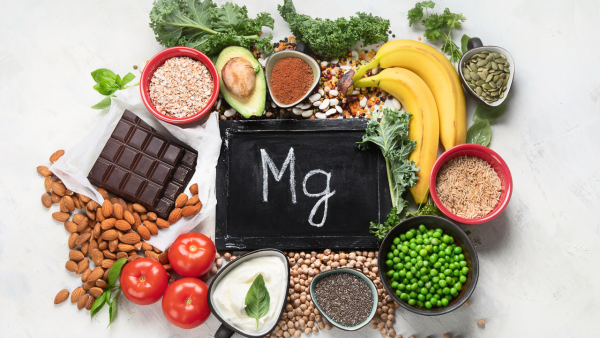
Adding the right magnesium to your routine is more than choosing the right supplement. Begin by consulting a healthcare professional, who can assess your level through blood work, as excessive amounts of it can also be problematic. Get 300-400 mg of elemental magnesium daily from supplements and combine that with magnesium-rich foods: leafy greens, nuts, seeds, and whole grains. Combine supplementation with other lifestyle behaviors like regular exercise, quality sleep, and a balanced diet to amplify benefits.
In short, avoid magnesium citrate and oxide because of their laxative effects and poor absorption. Consider magnesium threonate for brain protection, glycinate for sleep and general well-being, or taurate for heart and stress benefits. It may be just the shift that will change your health, protect your brain, and help you avoid the pitfalls of this common deficiency. Small choices today create resilience against bigger threats-like Alzheimer's disease-tomorrow.
Contact to : xlf550402@gmail.com
Copyright © boyuanhulian 2020 - 2023. All Right Reserved.