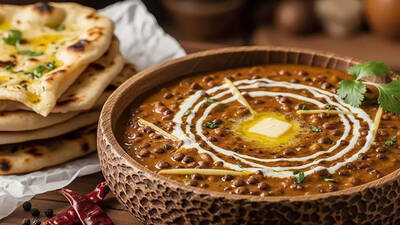
India's dal traditions span millennia, rooted in Ayurvedic principles for digestion, seasonal balance, and regional festivals, where lentils symbolize prosperity and purity in rituals like weddings and pujas. Lesser-known preparations like Dal ki Dulhan and Dal Sultani elevate everyday dals into festive or royal treats, blending tempering techniques (tadka) with unique lentil mixes for texture and flavor contrasts. These dishes preserve community heritage—from Rajasthan's hearty stews to Hyderabad's refined gravies—offering protein-rich nutrition in humble forms.
Dal ki Dulhan
Dal ki Dulhan hails from Rajasthan's wedding feasts, where "dulhan" (bride) signifies its adorned, festive presentation with ghee tadka and crunchy pakoras. Toor dal simmers with tomatoes and spices, topped with fried gram flour fritters mimicking bridal jewelry, served during Shaadi season for auspiciousness. This tradition fosters family bonding through shared preparation, balancing tangy gravy with crisp elements.
Dal Sultani
Dal Sultani originates from Hyderabadi Nawabi kitchens, a "sultani" (royal) blend of moong dal and chana dal for silky texture, favored by Nizams for iftar during Ramzan. Slow-cooked with minimal spices and finished with cream tadka, it reflects Mughal refinement in Lucknowi and Deccani courts. The tradition emphasizes subtlety, paired with rumali roti at feasts symbolizing opulence.
Panchmel Dal
Panchmel Dal from Rajasthan mixes five dals (moong, chana, urad, toor, masoor) for Marwari wedding banquets, embodying "panch" (five elements) harmony per Ayurvedic lore. Dry-roasted then pressure-cooked with dry spices, it's tempered boldly for Lohri or Gangaur festivals. This tradition promotes nutrient diversity, shared communally to invoke abundance.
Dal Dhokli
Gujarat's Dal Dhokli fuses toor dal curry with wheat dumplings ("dhokli"), a daily staple in Saurashtra homes and Janmashtami thalis for its filling warmth. Dough strips simmer directly in spiced dal, evoking monsoon comfort traditions. Passed down matrilineally, it sustains laborers during harvest seasons.
Goan Coconut Dal
Goan Coconut Dal uses tuvar dal ground with coconut and red chilies, a Konkani Hindu staple for Ganesh Chaturthi and temple prasad. Freshly grated coconut tempers the dal for creamy richness, reflecting Portuguese-Indian fusion in coastal rituals. This tradition honors monsoon deities with its cooling properties.
Matki Usal
Maharashtra's Matki Usal from moth beans (matki dal) features in Ganpati and Navratri feasts, sprouted for Kolhapuri street food vibrancy. Goda masala and kokum lend tangy depth, served with jaggery for balance in Maharashtrian homes. The sprouting tradition enhances digestibility per Ayurveda.
Dal Maharani
Dal Maharani combines urad, chana, and rajma dals in a creamy, overnight-soaked preparation from Punjabi dhabas and royal kitchens. Slow-simmered with butter for Diwali dinners, it signifies regal hospitality. This dhaba tradition elevates highway feasts to gourmet status.[3][7]
Kulith Dal
Kulith Dal from Karnataka's horse gram thrives in Kodava weddings and Ayurvedic detox rituals for its warming potency. Boiled with garlic and cumin for simple saaru, it combats winter ailments in tribal traditions. Served humbly, it embodies resilience in Deccan farming communities.
Contact to : xlf550402@gmail.com
Copyright © boyuanhulian 2020 - 2023. All Right Reserved.