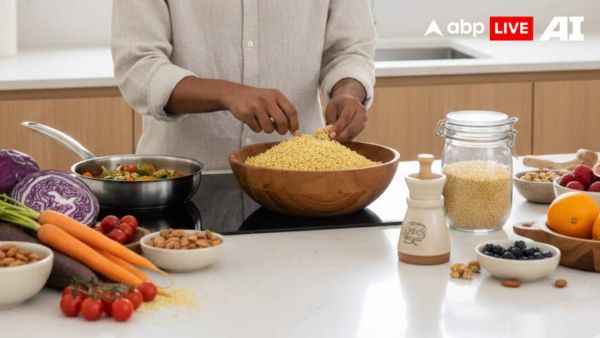
As India witnesses a rapid rise in prediabetes and lifestyle-linked metabolic disorders, a quiet but powerful shift is taking place in how people approach everyday health. From swapping refined grains for ancient millets to adopting mindful eating and prioritising restful sleep, the new-age wellness movement is redefining diabetes prevention.
To understand this transformation, Dr. Shuchi Sharma, Senior Consultant, Nutrition and Dietetics, Sahyadri Super Speciality Hospital, Pune and Dr. Farah Ingale, Director, Internal Medicine and Diabetologist, Fortis Hiranandani Hospital, Vashi, shared deeply practical, science-backed insights into how small, sustainable habits are becoming game-changers in metabolic health.
Millets Are Trending, But Are We Eating Them The Right Way?
Millets have taken over grocery aisles, Instagram plates, and wellness conversations. But experts warn that enthusiasm can quickly turn into excess.
According to Dr. Shuchi Sharma, the biggest mistake is assuming millets are a magic bullet.
"What we see very often is that people get excited about millets and assume they are a magic solution for diabetes. They suddenly replace all their meals with millets or take very large portions." Her observation reflects a widespread pattern, people shift too quickly to fibre-rich grains, experience bloating, and abandon them altogether. Another problem she focuses on is the rising dependence on packaged millet snacks, puffs, cookies, noodles, which are marketed as healthy but behave like processed foods inside the body.
Dr Sharma believes that the real power of millets lies in moderation, gradual adaptation, and balanced plating, not extreme replacements.
The Best Millets For Blood Sugar Stability
While all millets offer benefits, some varieties stand out for their slow-digesting carbohydrates and high fibre content.
Dr. Sharma points out, "Some millets genuinely help smoothen out blood sugar levels because of their fibre and slow-digesting starch. There are few like foxtail, little, barnyard, brown top, and kodo millets to be the most helpful."
Barnyard millet, in particular, has gained attention for its exceptionally low glycaemic index, making it ideal for those dealing with post-meal sugar spikes.
And yet, she reminds us that millets alone are not enough, ""Millets work best as part of a complete meal, with vegetables, proteins, and healthy fats. No millet alone can 'fix' blood sugar."
Small Indian Food Swaps That Make A Big Difference
A massive dietary overhaul is unnecessary, meaningful change lies in practical, everyday swaps.
Dr. Sharma explains, "Small, practical swaps in our daily meals can make good impact. For example, replacing part of your white rice with millets or unpolished rice can lower the glycaemic load."
She also recommends roasted chana, peanuts, or makhana instead of oily snacks, as well as choosing dal-based gravies over cream-heavy curries for better fibre and protein balance.
Even breakfast, often the most rushed meal, holds the potential for correction. Millet idlis, vegetable upma or poha, and protein-forward plates help sustain energy and stabilise glucose response.
The Emotional Eating Patterns Fueling Prediabetes
A surprising contributor to diabetes risk hides not in food, but in emotion-driven behaviour.
As Dr. Sharma notes, "Many people don’t realise how strongly emotions influence food choices… After a stressful day or a night of poor sleep, the body naturally craves sugar and comfort foods."
Reward eating, late-night snacking, and overeating after emotional fatigue contribute silently to long-term metabolic damage. Simple routines, hydrating before snacking, taking a small walk, or pausing for mindful breathing, help people reconnect with real hunger cues instead of emotional impulses.
The Hidden Daily Habits That Push You Toward Prediabetes
Diabetes risk isn’t shaped only by sugar intake. Modern lifestyle patterns, especially in cities, play a much bigger role.
Dr. Farah Ingale talks about the connection between irregular habits and insulin resistance saying, "Non-satisfactory or irregular sleep impairs the body’s capability of using insulin effectively, which results in increased blood sugar levels."
She also explains how being distracted during meals leads to overeating, "Those who slow down during meals and do not allow themselves to be diverted by the likes of television or mobile phones are generally more capable of recognising the hunger and fullness signals."
Her insights make it clear that mindful eating is not a trend, it is metabolic therapy.
How Millets Improve Insulin Resistance From A Clinical Lens
Dr. Ingale believes that millets are clinically relevant for stabilising glucose response, "Millets as Ragi, Jowar, and Bajra are good sources of fibre, which has the function of releasing sugar gradually into the blood."
Their minerals and phytochemicals improve gut health, which indirectly strengthens metabolic resilience. For her, the millet movement represents the merging of traditional wisdom and modern medical necessity.
Urban Stress, Digital Habits, And The Early Diabetes Wave
Living in high-stress cities with digital overload is significantly reshaping metabolic health.
Dr. Ingale notes, "Mindful eating is also a valuable ally in the battle against stress, which raises the risk of Diabetes over time."
With people glued to screens, rushing meals, skipping hydration, and staying awake past midnight, the urban lifestyle has created an environment where prediabetes is becoming the norm, not the exception.
Why Sleep Is The Silent Pillar Of Diabetes Prevention
Chronic sleep deprivation has now emerged as one of the strongest predictors of insulin resistance, even in people who eat well.
As Dr. Ingale explains, "Sticking to a sleep routine and ensuring 7–8 hours of restful sleep each night are two factors that help the organism to heal itself and keep hormone levels balanced."
Good sleep doesn’t just improve energy, it directly improves metabolic healing.
[Disclaimer: The information provided in the article is shared by experts and is intended for general informational purposes only. It is not a substitute for professional medical advice, diagnosis, or treatment. Always seek the advice of your physician or other qualified healthcare provider with any questions you may have regarding a medical condition.]
Contact to : xlf550402@gmail.com
Copyright © boyuanhulian 2020 - 2023. All Right Reserved.