
Listen to this article in summarized format
Loading...
××
Subscribe to

Unlock AI Briefing and Premium Content
Subscribe NowWhat's Included
- Exclusive Stories
- Daily ePaper Access
- Smart Market Tools
- Curated Investment Ideas
- Ad-lite Experience
Subscription


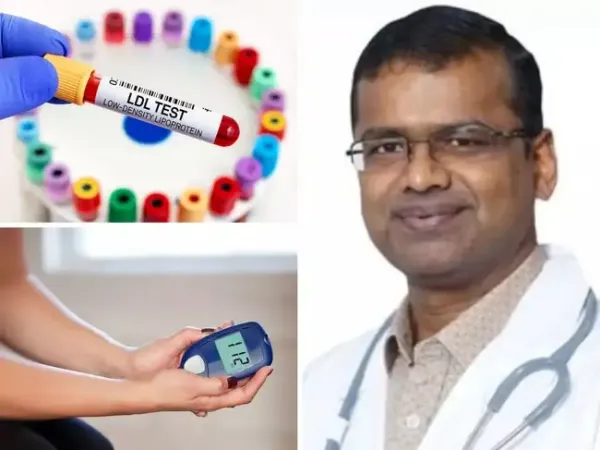
A new study is challenging what many people assume about cholesterol and diabetes. Most of us are told to keep LDL as low as possible, but emerging evidence shows that going too low might also carry risks. The findings have sparked a wave of concern, and Apollo’s Dr Sudhir Kumar has stepped in with clear guidance to help people understand what this actually means for their health.
Dr Sudhir Kumar explained on X that people with very low LDL cholesterol showed a higher likelihood of developing type 2 diabetes over time, even if they weren’t taking statins. At the same time, he pointed out that statins themselves are known to slightly increase the chance of new-onset diabetes in some individuals. This double observation has naturally made many people anxious, but he stressed that the context matters far more than the headline.
According to Dr Sudhir Kumar, statins continue to offer powerful protection for those who genuinely need them. Their ability to reduce the risk of heart attacks and strokes is far greater than the small increase in diabetes risk. Because of this, he urges patients not to stop statins on their own, as doing so can sharply raise the chances of serious cardiac events.
He also highlighted that extremely low LDL levels, whether achieved naturally or through medication, should not be ignored. Instead, he recommends discussing such results with a doctor to understand whether closer monitoring is necessary. Dr Sudhir Kumar’s final message is clear: statins remain safe and life-saving when used by the right patients. Paying a little extra attention to blood sugar allows people to enjoy the full benefits of these medicines while keeping potential risks under control.
What does CDC say?
According to the Centres for Disease Control and Prevention (CDC), heart disease remains the top cause of death in the United States, and people with diabetes face nearly double the risk of heart attacks or strokes. Years of high blood sugar can damage blood vessels and nerves, increasing plaque buildup and narrowing arteries. To lower this danger, many patients are prescribed statins, which half of cholesterol-medication users rely on. Some studies suggest statins may raise blood sugar by affecting insulin response, slightly increasing type-2 diabetes risk. Still, the CDC notes that for many people, the heart-protective benefits outweigh the risks.
Dr Sudhir Kumar explained on X that people with very low LDL cholesterol showed a higher likelihood of developing type 2 diabetes over time, even if they weren’t taking statins. At the same time, he pointed out that statins themselves are known to slightly increase the chance of new-onset diabetes in some individuals. This double observation has naturally made many people anxious, but he stressed that the context matters far more than the headline.
According to Dr Sudhir Kumar, statins continue to offer powerful protection for those who genuinely need them. Their ability to reduce the risk of heart attacks and strokes is far greater than the small increase in diabetes risk. Because of this, he urges patients not to stop statins on their own, as doing so can sharply raise the chances of serious cardiac events.
What does Dr Sudhir Kumar advise?
To stay safe, Dr Sudhir Kumar advises regular blood sugar checks, especially for people with risk factors such as weight gain, physical inactivity, or a family history of diabetes. Alongside this, he emphasises the importance of lifestyle habits that work as protective armour—daily exercise, a balanced diet, and maintaining a healthy waistline. These simple steps help lower the risk of both heart disease and diabetes.He also highlighted that extremely low LDL levels, whether achieved naturally or through medication, should not be ignored. Instead, he recommends discussing such results with a doctor to understand whether closer monitoring is necessary. Dr Sudhir Kumar’s final message is clear: statins remain safe and life-saving when used by the right patients. Paying a little extra attention to blood sugar allows people to enjoy the full benefits of these medicines while keeping potential risks under control.