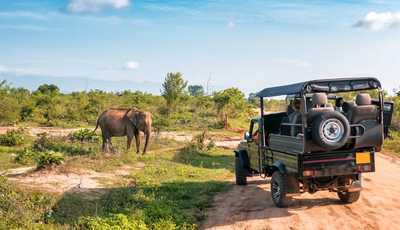
Wildlife tourism has always fascinated travellers, offering opportunities to encounter animals during safaris, treks, and even underwater experiences. However, these interactions don’t always unfold as positively as one might hope.
Many tourists unintentionally disregard the needs of animals and their natural habitats, disrupting their normal behaviour. Being a responsible traveller means ensuring your wildlife encounters are respectful, non-intrusive, and free from practices that harm animals or encourage their captivity. To help you prepare for your next safari, here are some responsible wildlife-tourism practices shared by experienced naturalists across the country.
# Maintain a Safe Distance
Keeping a safe distance from animals and avoiding their movement paths is essential. Always follow warning signs that indicate how close you can safely get. “No matter how big or small the animal is, never approach it,” advises Gaurav Dhotre, Naturalist at Pugdundee Safaris. Observing from afar ensures the safety of both you and the wildlife.
Limit the use of bright lights while driving at night, as strong beams can disorient or temporarily blind animals. Never corner, tease, or provoke wildlife—doing so may lead to defensive aggression.
# Avoid Calling Out
Calling, whistling, or making noises to grab an animal’s attention has unfortunately become common. Animals may be resting or busy in their routines, and sudden sounds can disturb or stress them. “You are in their territory, and you cannot expect them to respond for entertainment,” says Alwyn D’souza, Naturalist at Bandhavgarh Jungle Lodge. Allow animals to choose whether they want any interaction at all.
# Do Not Disturb Mothers With Young
If you find yourself between a mother and her young, step back immediately. “Animals can turn extremely aggressive if they sense a threat to their offspring,” warns Yashwant Singh of Untamed Bandhavgarh. If you spot a juvenile animal with a parent nearby, avoid moving closer, as it may escalate into a dangerous situation.
# Dispose of Waste Responsibly
Littering is a major issue in forested areas, with tourists often leaving behind plastic and other trash. Such waste can disrupt ecosystems and harm animals. “Creatures may injure themselves or fall sick if they ingest discarded waste, so we must be mindful of what we leave behind,” says Erwin D’Rose, Head Naturalist at Reni Pani Jungle Lodge.
# Do Not Feed Wildlife
Feeding wild animals can severely disrupt their diet and natural foraging habits. “No matter how pleadingly they look at you, never offer them your food,” says Imran Khan, Naturalist at Saj In The Forest, Pench. It’s best to keep your food out of sight while observing wildlife.
Contact to : xlf550402@gmail.com
Copyright © boyuanhulian 2020 - 2023. All Right Reserved.