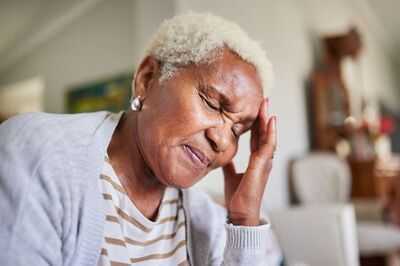
Brits have been urged to look out for symptoms that appear when at home that could signal a silent killer. The UK Health Security Agency (UKSHA) warned that 20 people die each year in England and Wales from this deadly problem, which is more prevelant in the winter.
In a recent update from the UKHSA, the agency urged people to be vigilant of carbon monoxide poisoning. The risk of this is greater in the autumn and winter as we spend more time indoors with the heating on.
The UKHSA said: “As the weather turns colder and we close our windows and turn on our heating, there's an invisible danger that can leak into our homes. Carbon monoxide (CO) is a colourless, odourless gas that you cannot see, smell or taste - but it can kill.
- Pharmacist urges Brits to take 1 pill to help prevent colds and flu in December
- 'I'm a GP - this symptom means you have Covid and not a cold or flu'
“Around 20 people die each year in England and Wales from unintentional carbon monoxide poisoning, with many more hospitalised.” It explained that in England, around 68 per cent of all carbon monoxide deaths occur in autumn and winter.
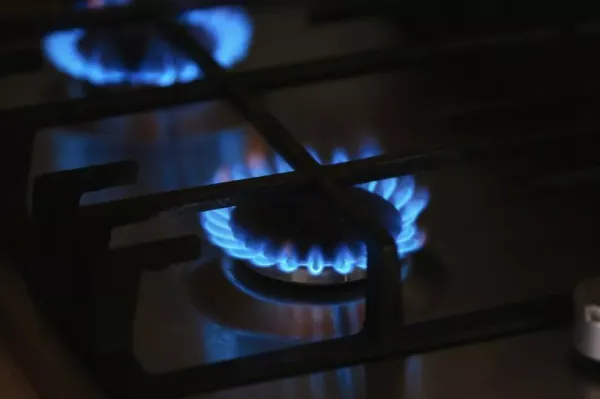
This is attributed to the combination of using heating appliances and keeping the windows closed more often. The UKHSA said: “This combination - more potentially malfunctioning fuel-burning appliances in use and less ventilation can create the perfect conditions for CO to build up to dangerous levels.”
Smaller rooms containing CO sources, like fuel-burning cookers and fireplaces, are especially dangerous, as the gas concentrates more quickly in confined spaces.
SymptomsThe UKSHA said: “Because carbon monoxide is invisible and has no smell, recognising the symptoms is crucial.” It advised that these symptoms may come and go.
“An important warning sign is symptoms coming and going, especially if they get worse when you're in a particular room or building and improve when you leave or go outside,” it said. “If you notice this pattern, it could indicate a CO problem.”
Symptoms to watch out for include:
- Headache
- Dizziness
- Feeling or being sick
- Feeling weak
- Confusion
- Chest and muscle pain
- Shortness of breath
 Where does carbon monoxide come from?
 The UKHSA warns that common household appliances can produce carbon monoxide if “they're not installed properly, are faulty, or are poorly maintained”. These include:
- Gas boilers
- Stoves burning wood, kerosene, natural gas, or propane
- Heaters using wood, oil, or natural gas
- Using portable generators and barbecues or camping stoves inside homes, caravans or tents potentially poses a risk for CO poisoning
There are several “straightforward” steps you can take to protect yourself and your family:
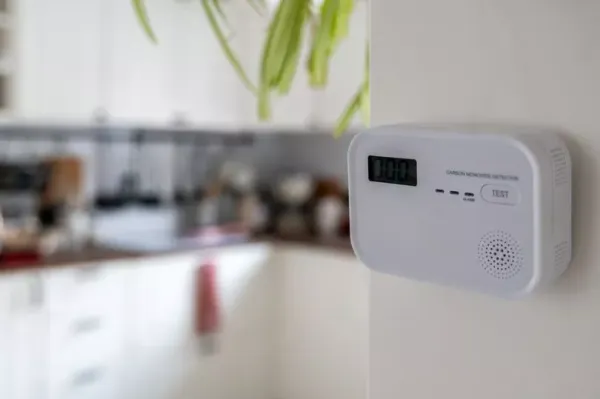
- Install CO alarms
- Use ventilation wisely
- Service your appliances annually
- Watch for warning signs - “floppy” yellow or orange flames on gas appliances instead of crisp blue ones, soot marks around appliances, or increased condensation inside windows can all indicate a problem
If you think a gas appliance is leaking carbon monoxide, you can call the free National Gas Helpline immediately on 0800 111 999. The service is available 24 hours a day, seven days a week.
The UKHSA added: “Every carbon monoxide death is preventable. As we head into the colder months when risk is highest, take time this week to check your CO alarms, book appliance services if they're due, and make sure everyone in your household knows the symptoms to watch for. These simple actions could save your life or the life of someone you love.”
Contact to : xlf550402@gmail.com
Copyright © boyuanhulian 2020 - 2023. All Right Reserved.