56
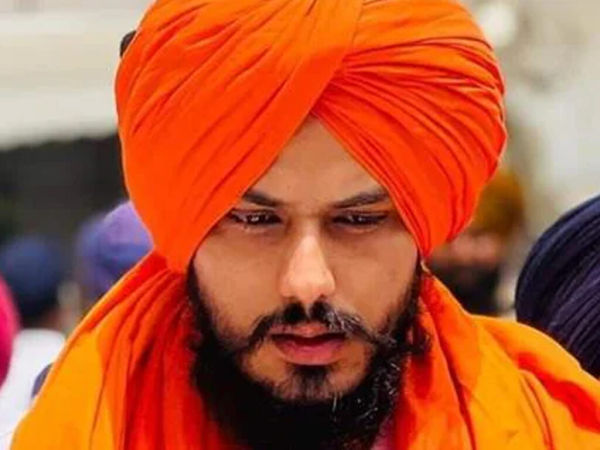
Chandigarh: The case concerning Khalistan-sympathiser and Khadoor Sahib MP Amritpal Singh’s plea to attend the upcoming session of Parliament was recently heard by a Bench of the Punjab and Haryana High Court, headed by the Chief Justice and Justice Sanjiv Berry. Singh, detained under the National Security Act (NSA) since April 2023, currently remains in jail — a situation that has sparked controversy over whether an elected representative under preventive detention may claim the right to participate in parliamentary proceedings.
Singh had filed a representation seeking temporary release under Section 15 of NSA, or alternatively, arrangements that would allow him to attend the Winter Session of Parliament slated to begin December 1, 2025. He argued that his constituents — nearly 19 lakh voters — deserve representation, and barring him from attending would undermine their voice at the national level.
During the hearing, the bench directed the state government of Punjab to file a detailed reply explaining its decision to deny permission. The court asked the government to set out the grounds for refusal in full — including any threat assessments, risk to public order, national security concerns or other justifications. The bench also asked Singh’s legal team to clarify what agenda he intended to pursue in Parliament and whether he could contribute constructively, not just attend as a mere spectator.
In response, the state government declined his request. It cited the ongoing NSA detention and concerns over “grave and manifest danger” to state security and public order as reasons — pointing to his past record as leader of Waris Punjab De, an outfit linked to the Khalistan movement, and to his being labelled a “pro-Khalistan activist.”
You Might Be Interested In
After hearing counsel for both sides, the court refrained from rejecting the petition outright. Instead, it adjourned further proceedings to December 8, 2025, and asked the state to file its detailed reply before then. Until the next hearing, the question of whether the MP will be allowed to attend Parliament hangs in balance.
Observers note that this case brings into sharp focus the tension between an elected representative’s duty to his constituents and the state’s responsibility to preserve public order and national security. In Singh’s case, his association with the Khalistan movement and prior allegations of involvement in serious offences make the issue more complicated. The final decision by the High Court could set a precedent for how legislatures treat MPs detained under security laws — particularly those accused of separatist or extremist activity.
Contact to : xlf550402@gmail.com
Copyright © boyuanhulian 2020 - 2023. All Right Reserved.